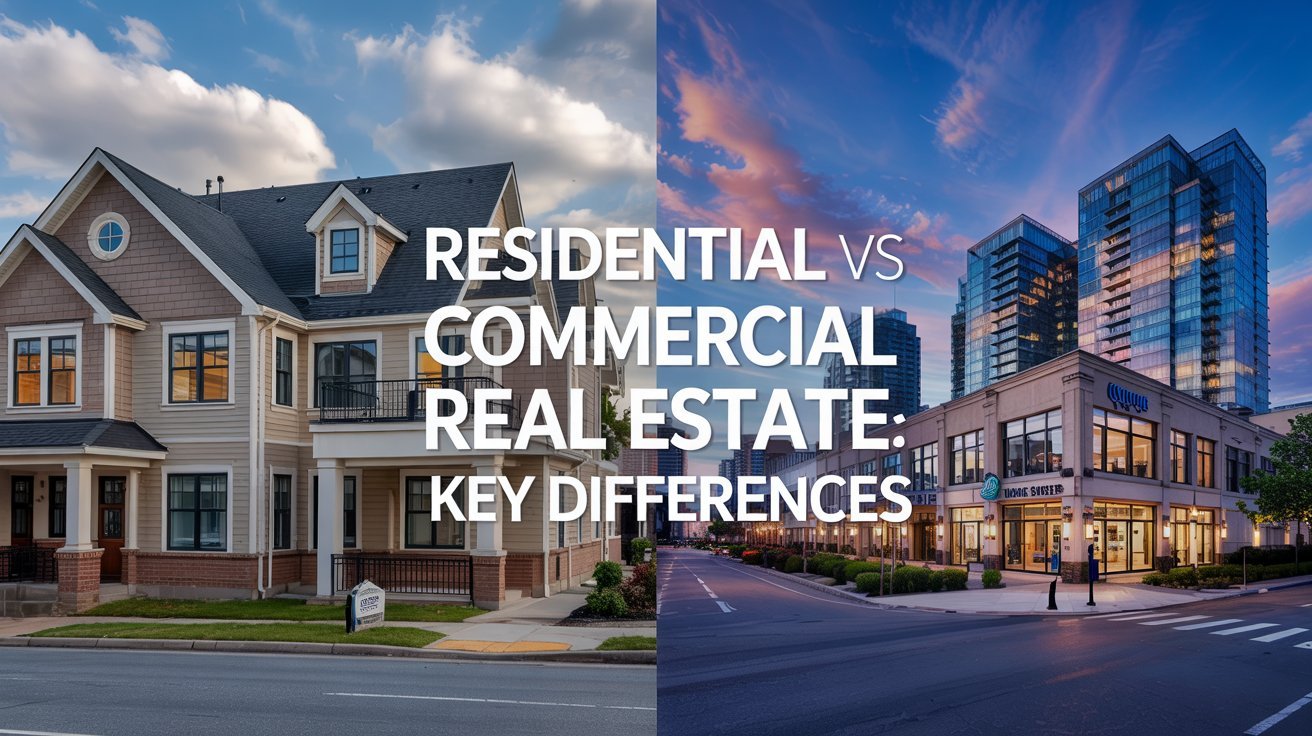

It can be tough to decide between Residential Real Estate vs Commercial Real Estate when you’re a new landlord. Decor
I had a hard time too, so in this article, I want to share the differences between residential and commercial property management for tenants, lease types, financial concerns, and day-to-day tasks. Decor
I will honestly provide you with straightforward information that you can trust, and you will know which type fits your goals and resources. Decor
Let’s break down all of the differences. These differences are between two property types.
Understanding Residential and Commercial Real Estate
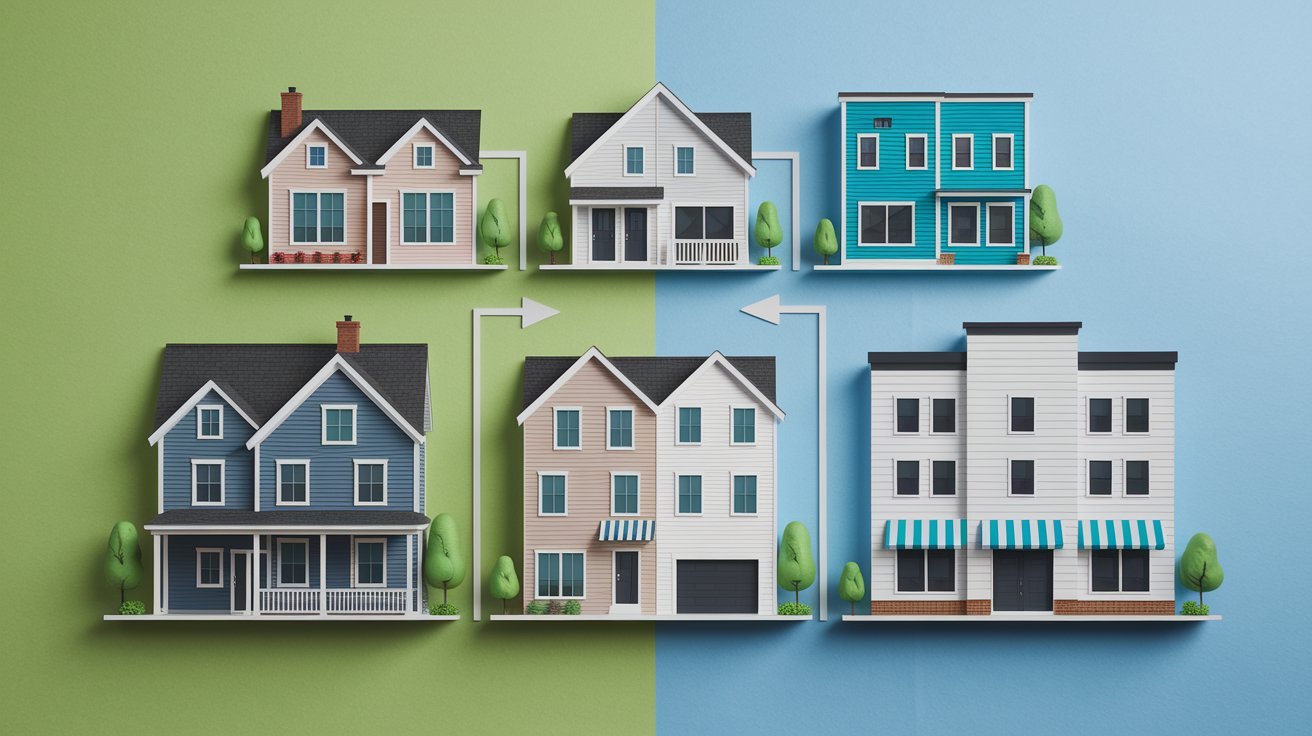
These two property types serve different purposes and attract different tenants. Knowing the basics helps you make smarter decisions.
What is Residential Real Estate?
Residential properties are homes where people live. These include single-family houses, townhouses, condos, duplexes, triplexes, and fourplexes.
The focus here is simple. You provide a safe, comfortable space for individuals and families. Your tenants want a place to call home. They care about bedrooms, kitchens, and living areas.
Most residential properties house one to four families. The goal is to meet basic living needs.
What is Commercial Real Estate?
Commercial properties support businesses. These include office buildings, retail stores, warehouses, industrial facilities, and apartment buildings with five or more units.
The purpose is different here. Businesses need space to operate and make money. Your tenants might run shops, offices, or storage operations.
Commercial tenants think about foot traffic, parking, and visibility. They need functional spaces that help their business succeed.
Key Differences in Property Management
Managing residential and commercial properties requires different skills, time commitments, and legal knowledge.
|
Aspect |
Residential |
Commercial |
|
Tenant Responsibilities |
Tenants pay rent and utilities only |
Tenants often pay property taxes, insurance, and maintenance costs |
|
Management Needs |
Need flexible 24/7 management for emergencies |
Typically follow business hours with less urgent issues |
|
Lease Complexity |
Straightforward, month-to-month, or one-year |
Complicated, three to ten years with variable clauses |
|
Legal Requirements |
More regulations, fair housing, and tenant protection laws |
More freedom, fewer consumer protections |
|
Property Care |
Sometimes cause damage when frustrated |
Maintain properties better for business reputation |
|
Evictions |
Take longer with more legal steps and protections |
Move faster when lease terms are clear |
Property Management Comparison Table
Property management differs greatly between residential and commercial real estate. This comparison shows responsibilities, regulations, and operational requirements for each type.
|
Aspect |
Residential |
Commercial |
|
Tenant Responsibility |
Rent and utilities only |
Often includes taxes, insurance, and maintenance |
|
Management Presence |
Flexible, remote possible |
May need on-site staff |
|
Lease Duration |
Short (month-to-month to 1 year) |
Long (3-10+ years) |
|
Lease Complexity |
Simple, standardized |
Complex with multiple clauses |
|
Legal Protections |
Heavy consumer protections |
Fewer restrictions |
|
Tenant Maintenance |
Lower motivation |
Higher motivation (business needs) |
|
Eviction Process |
Longer, more complex |
Faster with clear defaults |
Operational Considerations
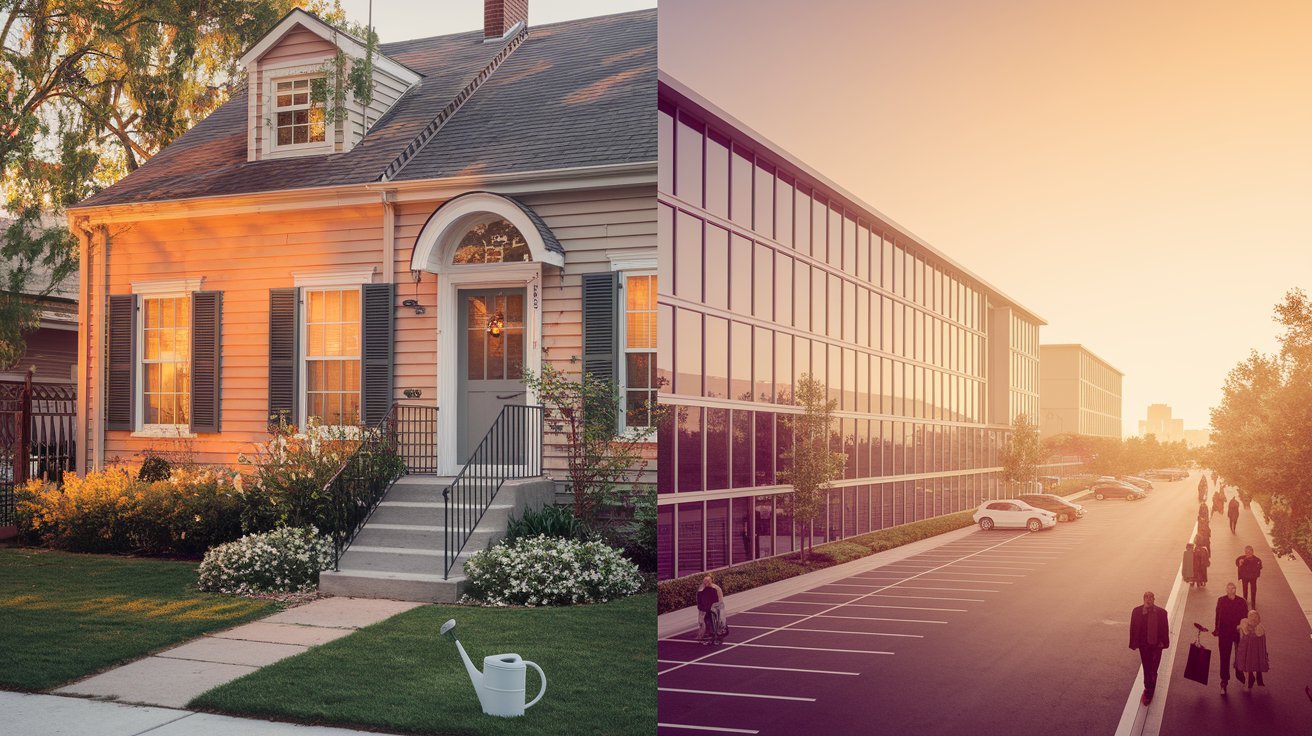
Daily operations differ significantly based on property type. These factors affect your time, costs, and stress levels.
Hours of Operation
Residential properties never close. Tenants live there around the clock. You might get calls at 2 AM about emergencies.
Commercial properties typically operate during business hours. Emergencies happen less frequently. Evenings and weekends are usually quiet.
Valuation and Pricing
Residential values depend on comparable sales. What did similar homes sell for recently? School districts, neighborhood safety, and curb appeal matter.
Commercial values focus on income. Cap rates, rent rolls, and cash flow determine price. The building’s ability to generate profit matters most.
Risks and Liabilities
Residential risks include tenant damage, natural disasters, and lost rent. These are manageable but real.
Commercial properties face bigger liability exposure. Slip-and-fall accidents, graffiti, and customer injuries can lead to lawsuits. Insurance costs reflect these risks.
Building Materials and Infrastructure
Residential buildings use wood, brick, and vinyl siding. Construction focuses on comfort and energy efficiency. Materials are lighter and less expensive.
Commercial buildings need concrete, steel, and reinforced glass. They handle heavy traffic and constant use. Durability trumps comfort.
Financial and Transactional Differences

Money matters look different for residential and commercial deals. Understanding financing and risk helps you plan better.
Loans and Financing
Residential mortgages are straightforward. Banks offer standard terms if you qualify. Down payments start around 3-20%.
Commercial loans vary widely. You’ll encounter commercial mortgages, bridge loans, and SBA loans. Down payments typically start at 20-30% or higher. Qualification is stricter.
Purchase Process and Formalities
Buying residential property feels personal. You get a home inspection, appraisal, and closing. The process is familiar to most people.
Commercial purchases involve serious due diligence. Lawyers review lease agreements. Accountants analyze financial statements. Environmental studies might be required. Everything takes longer.
Risk Profile
Residential investments carry lower risk. People always need housing. Occupancy stays relatively stable even during economic downturns. Initial investment is smaller.
Commercial properties bring higher risk and higher potential returns. Economic downturns hit businesses hard. Vacancies can last longer. But when times are good, profits can be substantial.
Choosing Between Residential and Commercial Property Management
Look at your risk tolerance first. Can you handle larger investments and vacancies? Or do you prefer a steady income?
Consider your financial resources. Commercial properties need more upfront capital. Residential properties are easier to start with.
Think about your management style. Do you want interaction with families or business professionals?
Some investors own both property types. This creates balance and reduces risk. If one sector struggles, the other compensates.
Match your choice to your strengths. Know retail? Try commercials. Understand housing? Start residential.
Conclusion
I’ve owned and managed both, and each has their own pros and cons. Residential vs Commercial Real Estate comes down to what you’re looking for. Decor
Residential is simple, predictable. Commercials are complex, potentially rewarding with higher investment returns. Decor
Start with what you know, learn as you go, and consider the other type later. That should work pretty well.
I want you to drop a comment below, let me know how you feel about this, let me know what you think.
Frequently Asked Questions
Which is easier to manage, residential or commercial property?
Residential properties are easier for beginners. Leases are simpler, and financing is more accessible. Commercial requires specialized knowledge and a higher investment.
Do commercial properties make more money than residential?
Commercial often generates higher returns but have more risk. Residential provides a steadier income. Returns depend on location and management.
How long do commercial leases typically last?
Commercial leases run three to ten years. Residential leases are month-to-month or one-year. Longer leases mean stability but less flexibility.
Are commercial properties harder to finance?
Yes. You need larger down payments (20-30%), stronger credit, and business plans. Residential mortgages have lower barriers to entry.
Can I start with residential and switch to commercial later?
Absolutely. Many investors start residential to build equity and learn the basics. Then move to commercial when ready.