
Property rentals pose difficulties. Late rent, emergency repairs, or troublesome tenants create problems. I’ve already been there, and I can relate with it.
I’ll show you how you can relate to tenants, collect rent, maintain and repair things, and handle legal matters. I will show you everything else that arises throughout.
I’ll give you proven systems that work. I’ve seen these systems work in property management.
You’ll learn screening, automating, and systemizing all your processes. My goal is simple to help you create systems to make your job easier and deliver better results.
Why Property Management Operations Matter

Strong operations separate successful property managers from struggling ones. Without good systems, you spend all day putting out fires. Rent gets collected late. Maintenance requests pile up. Tenants complain and leave bad reviews.
Good operations create predictability. You know when rent arrives and when inspections happen. Your schedule becomes manageable instead of chaotic. Efficient operations reduce wasted time and unnecessary expenses. Better tracking means more accurate budgets and financial reports.
Tenant satisfaction depends on smooth operations. Fast responses build trust. Happy tenants renew leases and refer friends. Legal compliance protects you from lawsuits and fines.
Your reputation grows with reliable operations. More owners want to work with you. Quality tenants choose your properties over others.
Key Areas of Property Management Operations
Five core areas form the foundation of successful property management operations: tenant management, financial oversight, maintenance coordination, legal compliance, and communication excellence.
Tenant Management

Finding and keeping good tenants forms the foundation of property management. Effective marketing fills vacancies with professional photos and clear descriptions. List on popular rental websites and use social media to reach renters.
Thorough screening reduces future problems. Check credit reports, verify employment, and contact previous landlords. Run background checks and review rental history. Set clear qualification criteria and apply standards consistently.
Strong leases protect both parties. Use legally compliant templates with clear terms. Specify maintenance responsibilities and house rules. Send renewal notices 60-90 days before lease ends. Keep signed copies organized and accessible.
Financial Management
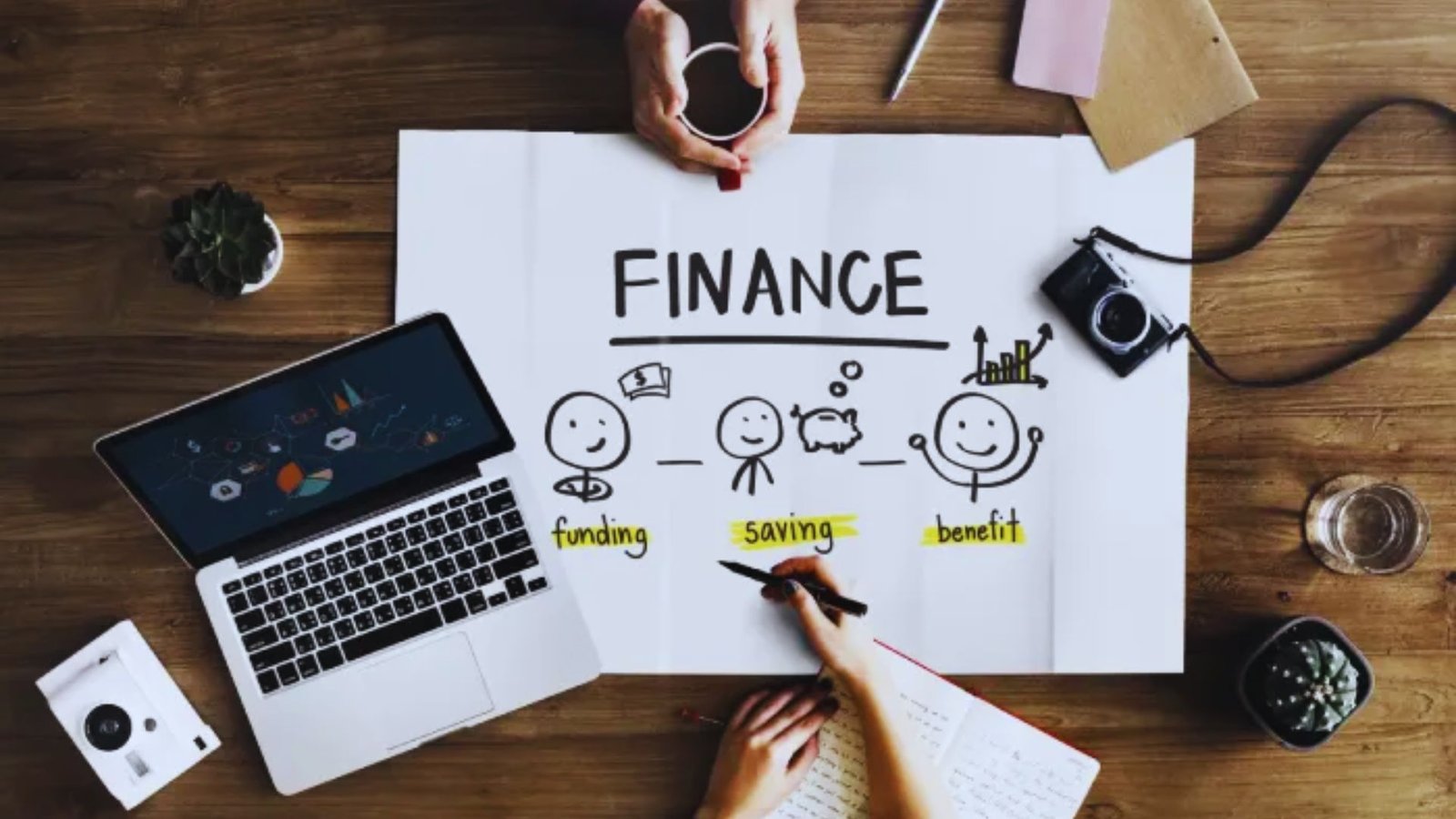
Money management determines success or failure for your property investment. Accurate tracking and planning keep operations profitable.
Consistent rent collection maintains cash flow. Set up automatic payment systems when possible. Send invoices before rent is due. Follow up immediately on late payments. Keep detailed records of all transactions.
Smart budgeting prevents financial surprises. Create annual budgets for each property. Track every expense with receipts. Review budgets monthly against actual costs. Share budget updates with property owners regularly.
Transparent reporting builds owner trust. Provide monthly financial statements showing income and expenses. Include occupancy rates and lease status. Report maintenance issues and resolutions. Deliver reports on a consistent schedule.
Maintenance and Upkeep

Well-maintained properties attract better tenants and command higher rents. Regular care prevents small issues from becoming expensive disasters.
Scheduled maintenance saves money over time. Create annual maintenance calendars for each property. Inspect HVAC systems twice yearly. Clean gutters and check roofs seasonally. Test smoke detectors and maintain landscaping consistently. Preventive care extends the life of property components.
Fast response to emergencies protects your property and tenant safety. Keep a list of reliable emergency contacts. Establish relationships with plumbers, electricians, and HVAC technicians. Create clear procedures for after-hours emergencies. Quick action minimizes damage and shows you care.
Compliance and Legal Responsibilities

Legal knowledge protects you from expensive mistakes and lawsuits. Staying compliant requires ongoing attention and education.
Housing laws vary by location and change regularly. Research fair housing requirements thoroughly. Understand security deposit rules and eviction procedures. Follow lead paint disclosure requirements. Stay updated on rent control laws. Consult attorneys when facing complex situations.
Safe properties protect tenants and your liability. Install working smoke and carbon monoxide detectors. Maintain proper ventilation and heating systems. Address mold and water damage immediately. Document all safety inspections. Safety should never be compromised to save money.
Proper documentation prevents disputes and legal problems. Store all leases in a secure, organized system. Keep signed copies of all vendor contracts. Track lease expiration dates carefully. Back up digital files regularly. Good records make resolving disputes much easier.
Communication and Customer Service
Strong relationships make property management much easier. Good communication prevents most conflicts before they start.
Positive tenant relationships reduce turnover. Respond to inquiries within 24 hours. Address complaints promptly and fairly. Show appreciation for good tenants. Respect tenant privacy and give proper notice. Treat tenants how you’d want to be treated.
Regular owner communication demonstrates your value. Share good news and challenges honestly. Explain decisions and their reasoning. Provide market insights that affect their investment. Return calls and emails quickly. Strong owner relationships lead to long-term partnerships.
Handling disputes well preserves relationships. Stay calm and professional during disagreements. Listen to all sides before responding. Focus on solutions rather than blame. Document conflicts and resolutions. Address problems before they escalate.
Optimizing Property Management Operations
Modern technology and smart strategies help property managers work faster, reduce errors, and improve service quality for tenants and owners alike.
Leveraging Property Management Software (PMS)
Modern software centralizes all your operations in one place. Property management software handles rent collection automatically. Tenants pay online while the system tracks payments and sends receipts instantly.
Software manages maintenance requests digitally. Tenants submit requests through a portal while you assign tasks and track progress. Financial reporting becomes simple. Generate statements with one click and track expenses by property. Document storage gets organized digitally with cloud access anywhere.
Choose software that fits your needs. Read reviews and test customer support before committing.
Integrating Automation for Efficiency
Automation handles repetitive tasks while you focus on bigger issues. Smart automation saves hours each week.
Automatic reminders keep rent collection on track. Set up emails that send before rent is due. Send follow-up messages when payments are late. Consistent reminders reduce late payments significantly.
Automated tracking keeps maintenance organized. The system assigns priority levels automatically. Vendors receive notifications with all details. Automation ensures nothing falls through the cracks.
Using Monitoring Tools for Preventive Management
Smart monitoring helps you spot problems before they become serious.
Modern sensors protect your property around the clock. Noise monitors alert you to excessive disturbances. Occupancy sensors detect unauthorized residents. Smoke detectors notify you of potential fires. Water sensors catch leaks before major damage occurs.
Choose monitoring tools that respect tenant privacy. Use sensors that detect patterns, not specific activities. Disclose all monitoring devices to tenants. Follow local privacy laws carefully.
Skills Required for Property Managers
Successful property managers combine technical knowledge with people skills, financial understanding, organizational abilities, and problem-solving capabilities to handle diverse daily challenges.
Communication and Customer Service:
Clear communication solves most property management challenges. You need to explain complex topics simply. Strong writing skills help with emails and reports. Phone skills matter for difficult conversations. Active listening prevents misunderstandings. Empathy helps you understand tenant concerns. Conflict resolution skills defuse tense situations.
Organization and Attention to Detail:
Managing multiple properties requires excellent organization. You track dozens of deadlines simultaneously. Small details like lease clauses matter significantly. Calendar management prevents missed inspections or renewals. Attention to detail catches maintenance issues early. Systematic approaches reduce stress and increase efficiency.
Financial Management and Budgeting:
Understanding numbers is essential for property management. You create budgets and track variances. Basic accounting knowledge helps you manage books. You analyze income and expenses to maximize profits. Understanding cash flow prevents financial problems. Financial forecasting helps you plan for the future.
Leadership and Staff Management:
Property management often involves supervising others. You delegate tasks to maintenance staff and vendors. Training new employees ensures consistent quality. Holding people accountable maintains standards. Problem-solving skills help you address personnel issues. Strong managers build teams that function smoothly.
Marketing and Problem-Solving:
Filling vacancies requires creative marketing skills. Writing compelling property descriptions draws interest. Photography skills showcase properties effectively. Understanding your target market improves advertising results. Social media knowledge expands your reach. Creativity helps properties stand out from competition.
Best Practices for Streamlined Operations
Implementing proven strategies for accounting, maintenance, communication, and training creates consistent results and reduces stress for property managers and their teams.
- Keep all financial information in one centralized system to eliminate duplicate data entry and reduce errors. Use cloud-based software with consistent expense categories and weekly account reconciliation.
- Create detailed maintenance calendars for every property with quarterly or semi-annual inspections. Plan seasonal tasks and document completed work with photos to prevent emergency repairs.
- Automate communication for consistency by sending welcome emails, seasonal reminders, and lease renewal notices automatically. Balance automation with personal touches for better tenant relationships.
- Invest in ongoing education through property management conferences, workshops, and industry publications. Hold regular team meetings and encourage professional certifications.
- Stay current on new technologies, regulations, and market trends through continuous learning. Review mistakes through structured sessions to improve service quality and efficiency.
Conclusion
With what you’ve learned about growing a successful property management company, put one small step into action this week.
Setting up an automatic rent reminder or a maintenance calendar for next month will give you the breathing room you didn’t know you needed. Your tenants will notice the difference.
You will too. And so will your bottom line. Which of these would be the first to implement? And what property management operations challenge would you prioritize? Tell me within the comments.
That sounds interesting to me!
Frequently Asked Questions
What are the main responsibilities in property management operations?
Main responsibilities include tenant screening, rent collection, maintenance coordination, legal compliance, and clear communication with tenants and owners.
How can property management software improve operations?
Software centralizes rent collection, maintenance tracking, and financial reporting in one system. It automates routine tasks and saves significant time.
What skills do successful property managers need most?
Successful property managers need strong communication, organizational skills, financial management knowledge, and problem-solving capabilities.
How often should property maintenance be scheduled?
Routine maintenance should happen quarterly or semi-annually. HVAC systems need twice-yearly servicing, while gutters require seasonal cleaning.
What legal issues should property managers monitor regularly?
Property managers must stay current on fair housing laws, security deposit regulations, eviction procedures, and health and safety codes.