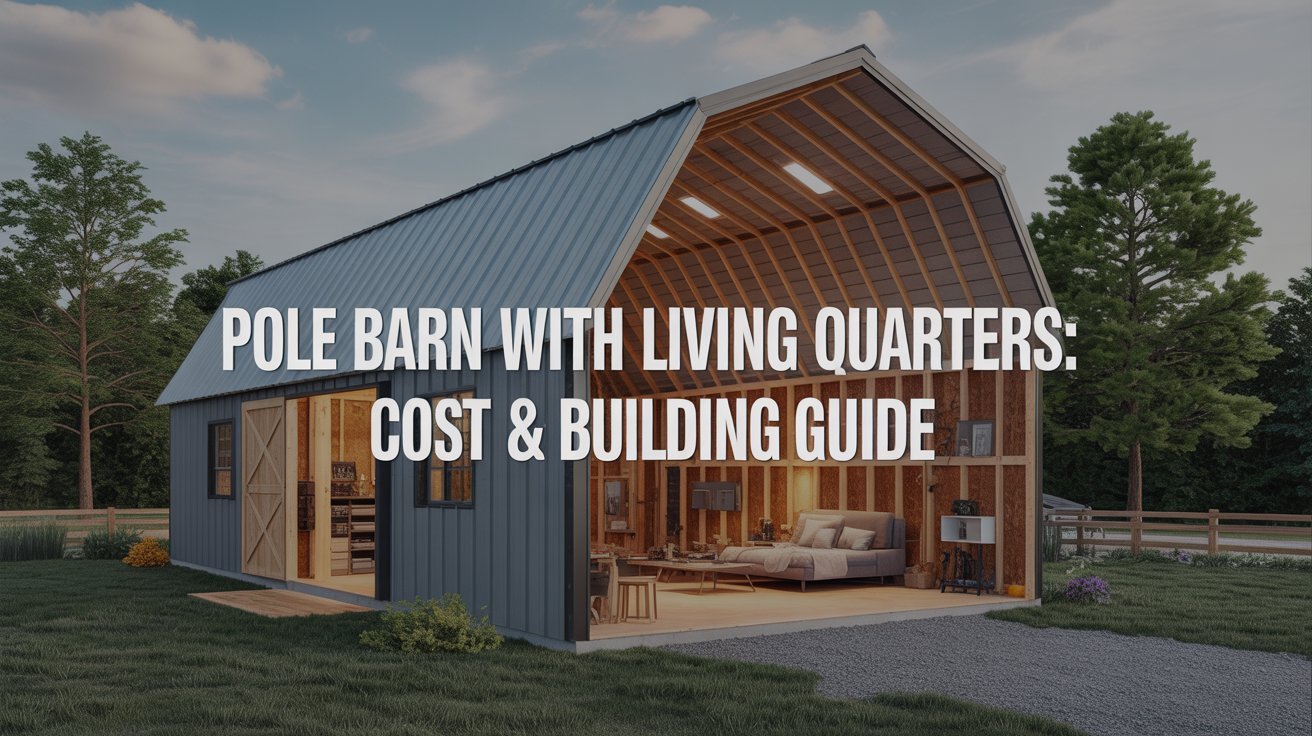

Have you been dreaming of a home that fits your lifestyle and budget? A pole barn with living quarters could be your answer.
I’ve seen more people choose these buildings because they’re affordable and you can make them your own.
You might hear them referred to as barndominiums, shouses, or post-frame homes. The names may differ, but the idea remains the same.
You get a workshop or storage area plus a comfortable place to live, all in one building. If you’re tired of high construction costs and cookie-cutter homes, this option gives you something better.
Let me show you how it works.
What Is a Pole Barn With Living Quarters?
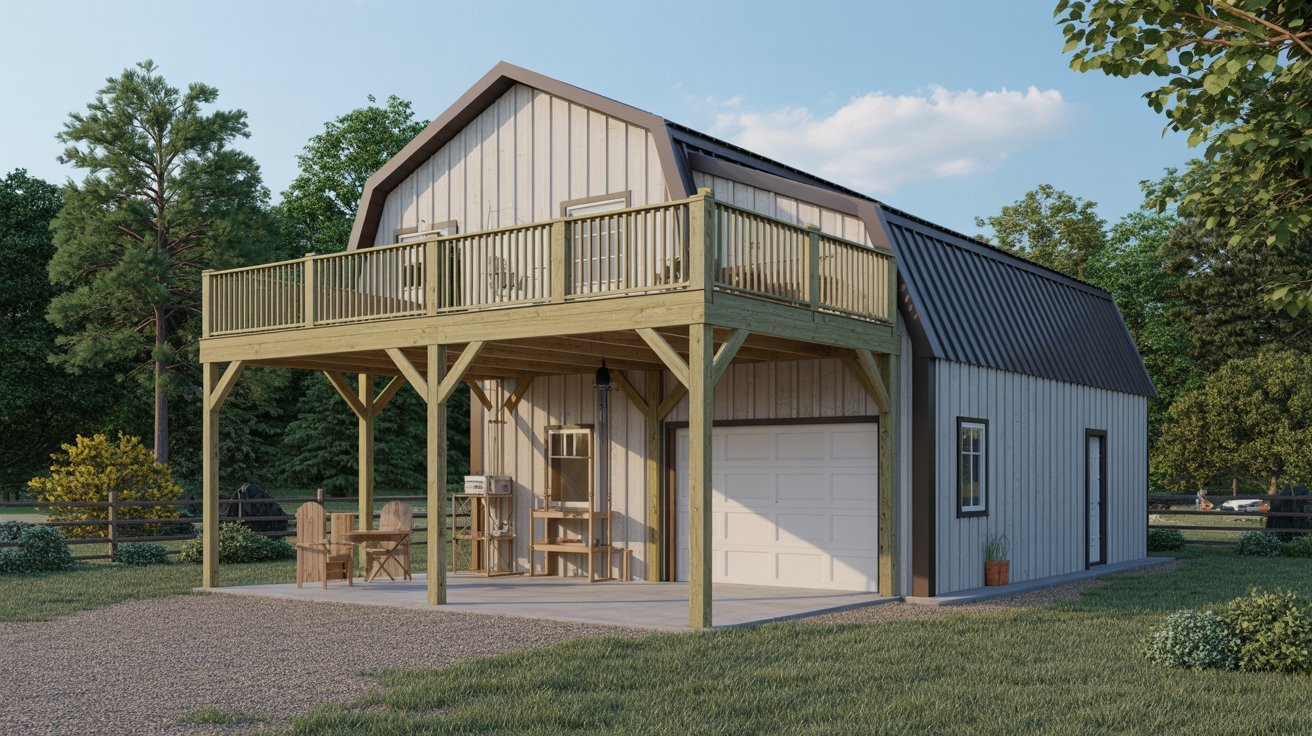
A pole barn with living quarters combines residential space with functional work areas using affordable post-frame construction methods.
This means large poles or posts support the entire structure instead of traditional foundation walls. The poles act as the main pillars that hold everything up.
These buildings offer open floor plans that give you plenty of space to work with. You’ll also get high ceilings that make rooms feel bigger and brighter. Most pole barns don’t have basements, which keeps construction simpler and more affordable.
You can build them as single-story or two-story structures. Many people add lofts or mezzanines to create extra living space without increasing the footprint.
Common Uses
People use pole barns with living quarters in many different ways. Some make them their primary residence, while others use them as vacation getaways or in-law suites for family members.
The best part is how flexible they are. You can combine your living space with workshops, garages, storage areas, or hobby rooms. If you work from home or have a business, you can have everything you need in one building. It’s practical and saves you money on separate structures.
Cost of Building a Pole Barn With Living Quarters
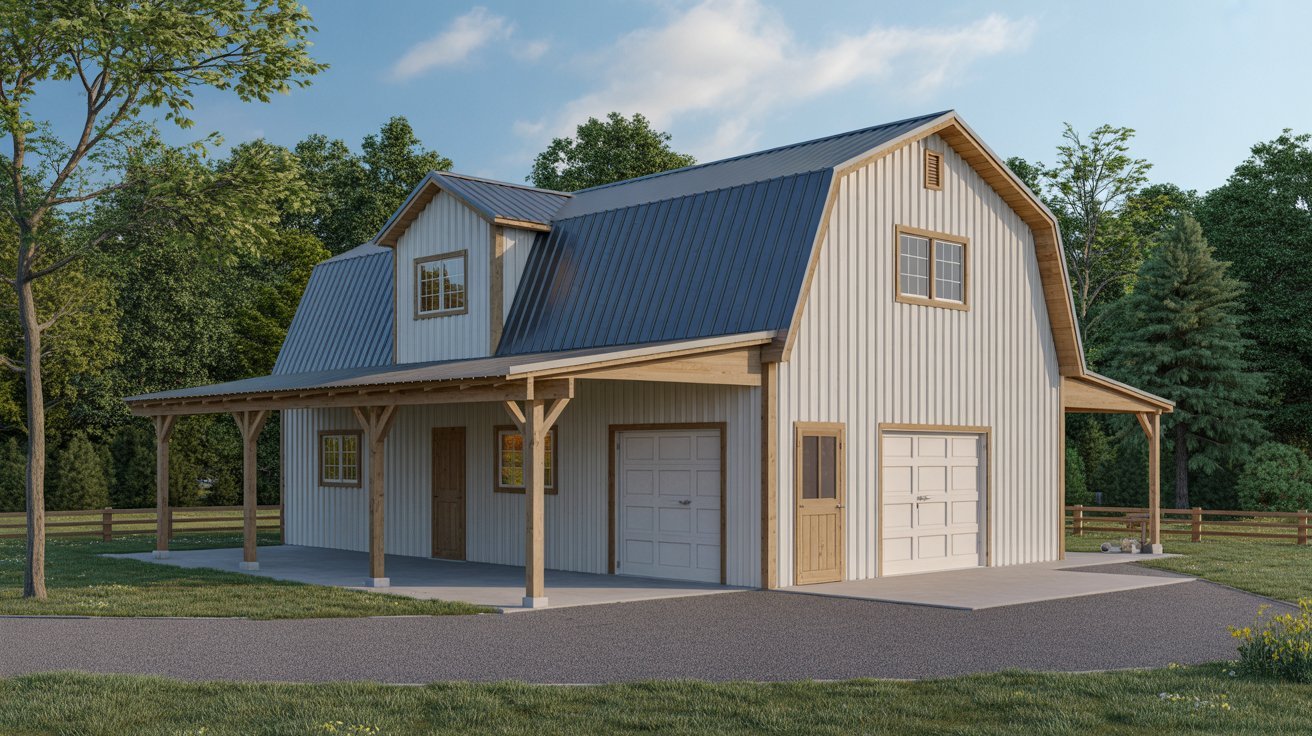
Building a pole barn with living quarters costs less than a traditional home, but prices vary based on your choices and location.
Price Range Overview
You can expect to pay between $7,000 and $88,000 or more for your pole barn with living quarters. The final price depends on how big you build it, what style you choose, and where you live. A basic structure costs less, while a fully finished home with all the extras will cost more.
Factors Affecting Costs
Several things will change your total budget. The size of your building makes the biggest difference. A larger structure needs more materials and takes longer to build.
Adding a second story or loft increases costs too. Your location matters because material prices and labor rates change from one area to another.
If you want custom finishes like granite counters or hardwood floors, your budget will go up. The same goes for premium interior features and high-end appliances.
Cost Advantages Compared to Traditional Homes
Pole barns save you money in several ways. They need fewer materials than stick-built homes because the post-frame design is simpler. You don’t need a full foundation, which cuts costs right away.
Construction takes less time, so you pay less for labor. The building process is faster and more straightforward. If you’re handy, you can even assemble parts yourself and save even more money on labor costs.
Designing Your Pole Barn With Living Quarters
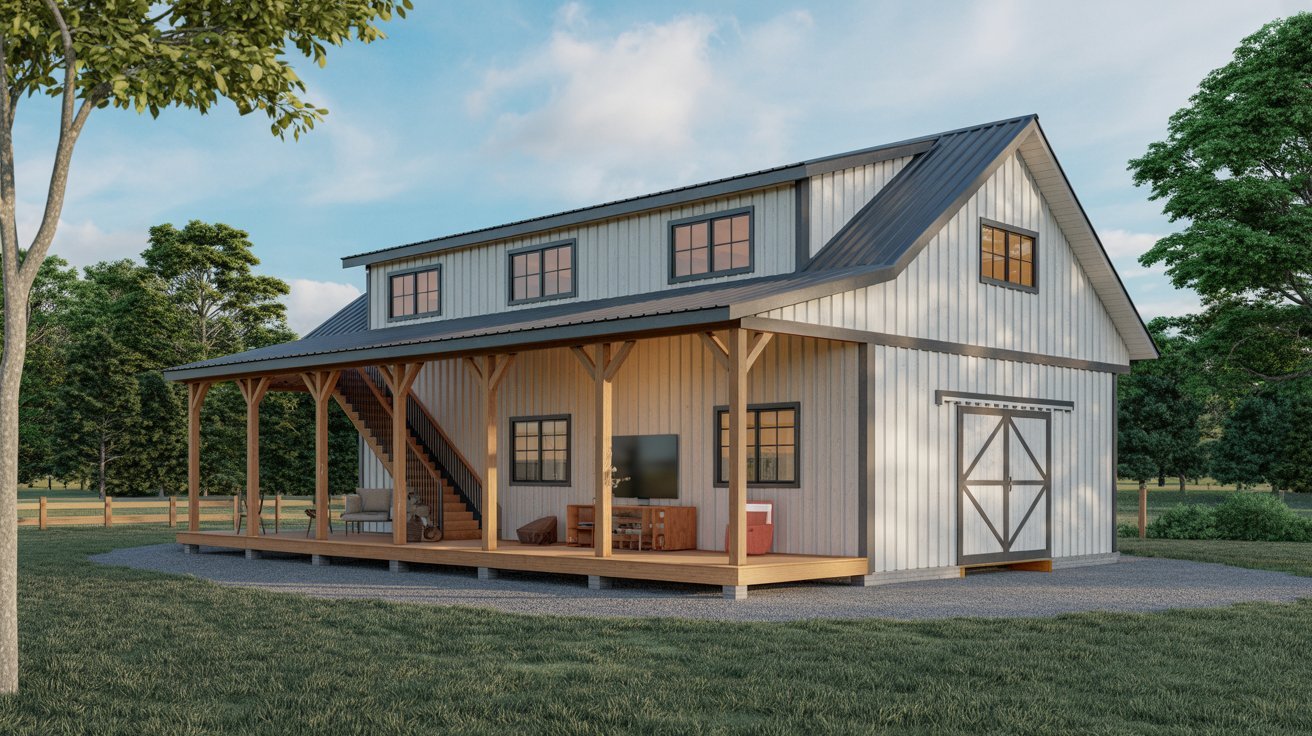
Good planning helps you create a pole barn that works for your needs and fits your property.
Key Planning Considerations
Start by checking your site and preparing the soil. You need level ground and stable soil to support your building.
Choose your roofline style and decide where windows and doors will go. These choices affect natural light and airflow.
Pick between a single-level or two-story layout. Single-level homes are simpler to build. Two-story designs give you more space on less ground.
Customization Options
Make your pole barn your own with interior choices like drywall, hardwood floors, lofts, and staircases that match your style.
For the outside, pick siding and colors you love. Add a porch or deck for outdoor living space.
Create multi-purpose areas like home offices, playrooms, or guest rooms. The open layout makes it easy to divide space however you need it.
Construction Process and Timeline
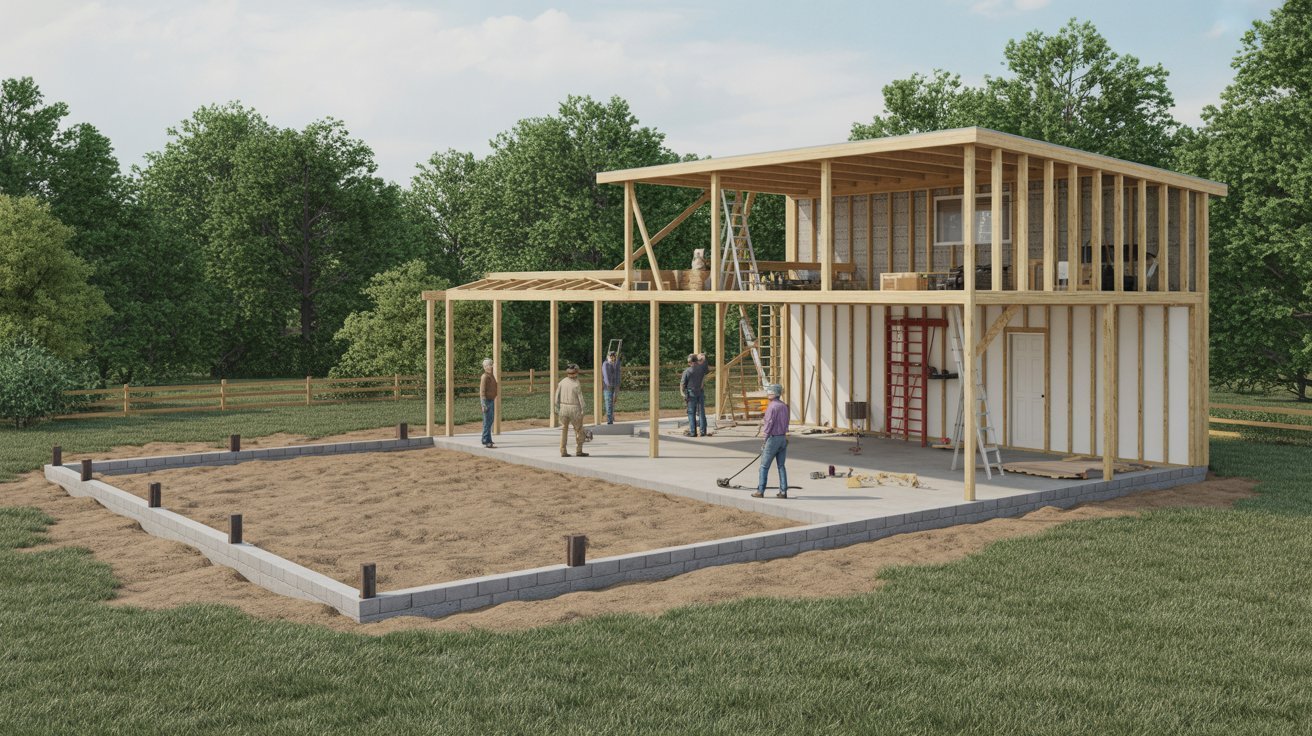
Building a pole barn with living quarters happens in clear stages that move from ground prep to finished home.
Site Preparation
First, level your building site to create a flat surface. Check drainage to make sure water flows away from your structure. Poor drainage causes foundation problems and water damage. Set up your foundation using the pole frame system.
Assembly of Pole Barn Kit
Most people buy pole barn kits that come with pre-cut materials and instructions. Follow the step-by-step guide to put up your frame, walls, and roof.
The main structure usually takes one to two weeks to complete. This timeline depends on your building size and how many people are working on it.
Interior Finishing
Once the shell is up, start the interior work. Install electrical wiring and plumbing systems first. Add insulation to keep your home comfortable year-round. Put up drywall to create finished walls.
Next comes flooring installation. Choose materials that fit your budget and style. Install cabinets in the kitchen and bathrooms. Finish with paint, trim, and fixtures. This stage takes longer than the frame assembly but turns your structure into a real home.
Tips for a Successful Build
- Work with experienced designers: They can create custom floor plans that fit your lifestyle and make the most of your space.
- Choose between turnkey and DIY options: Turnkey builders handle everything for you, while DIY saves money if you have construction skills.
- Plan for future needs now: Design your layout so you can add rooms or change uses later without major renovations.
- Maximize natural light sources: Add plenty of windows and skylights to reduce energy costs and create a brighter living space.
- Focus on proper ventilation systems: Good airflow keeps your home comfortable and prevents moisture problems that damage buildings over time.
Conclusion
A pole barn with living quarters gives you an affordable way to own a home that fits your needs. You get flexibility to design it how you want, durability that lasts for years, and the ability to customize every detail.
The construction process is straightforward, and you can save thousands compared to traditional homes. Now it’s time to take action.
Start planning your layout, get quotes from local builders, and compare your options. Talk to experienced contractors who understand post-frame construction.
Your dream of owning a practical, comfortable home is closer than you think. Start designing your pole barn with living quarters today.
Frequently Asked Questions
How much does a pole barn with living quarters cost?
Costs range from $7,000 to $88,000 or more depending on size, finishes, and location. A basic structure costs less, while fully finished homes with premium features cost more.
How long does it take to build a pole barn with living quarters?
The main structure takes about one to two weeks to complete. Interior finishing like plumbing, electrical, and drywall adds several more weeks to the total timeline.
Can I build a pole barn with living quarters myself?
Yes, if you have construction experience and the right tools. Many companies sell DIY kits with instructions, but hiring professionals ensures quality work and saves time.
Do pole barns with living quarters need a foundation?
They don’t need a traditional concrete foundation like regular homes. The pole frame system uses posts set in the ground, which makes construction faster and cheaper.
Are pole barns with living quarters energy efficient?
Yes, when properly insulated and sealed. Add quality insulation, energy-efficient windows, and proper ventilation to keep heating and cooling costs low year-round.