
If you rent an apartment, there are lots of forms and documents for signing, but the most important of these will be the residential lease you sign. I’m explaining it to you simply for that reason.Decor
This guide will explain what a residential lease is. It will also describe what one should include and why it matters to both tenants and landlords.Decor
I want to cover your basic rights and self-protection methods, so you have tools for confident lease reading and comprehension.Decor
Do not sign into a rental agreement. Be sure that you are familiar with the paperwork first.
What is a Residential Lease?

A residential lease is a legal contract between a landlord and tenant. The landlord owns the property, while the tenant rents the space.
This contract gives the tenant the right to live in the property for a specific time period. It could be six months, one year, or longer, depending on what both parties agree to.
The lease explains what each person is responsible for. It covers rent payments, maintenance duties, and rules for using the property.
A residential lease provides legal protection for both parties if problems arise. It establishes clear rules and expectations from the start.
Having everything in writing reduces disputes and misunderstandings. If disagreements happen, the lease provides a reference point for resolving them fairly.
Key Components of a Residential Lease
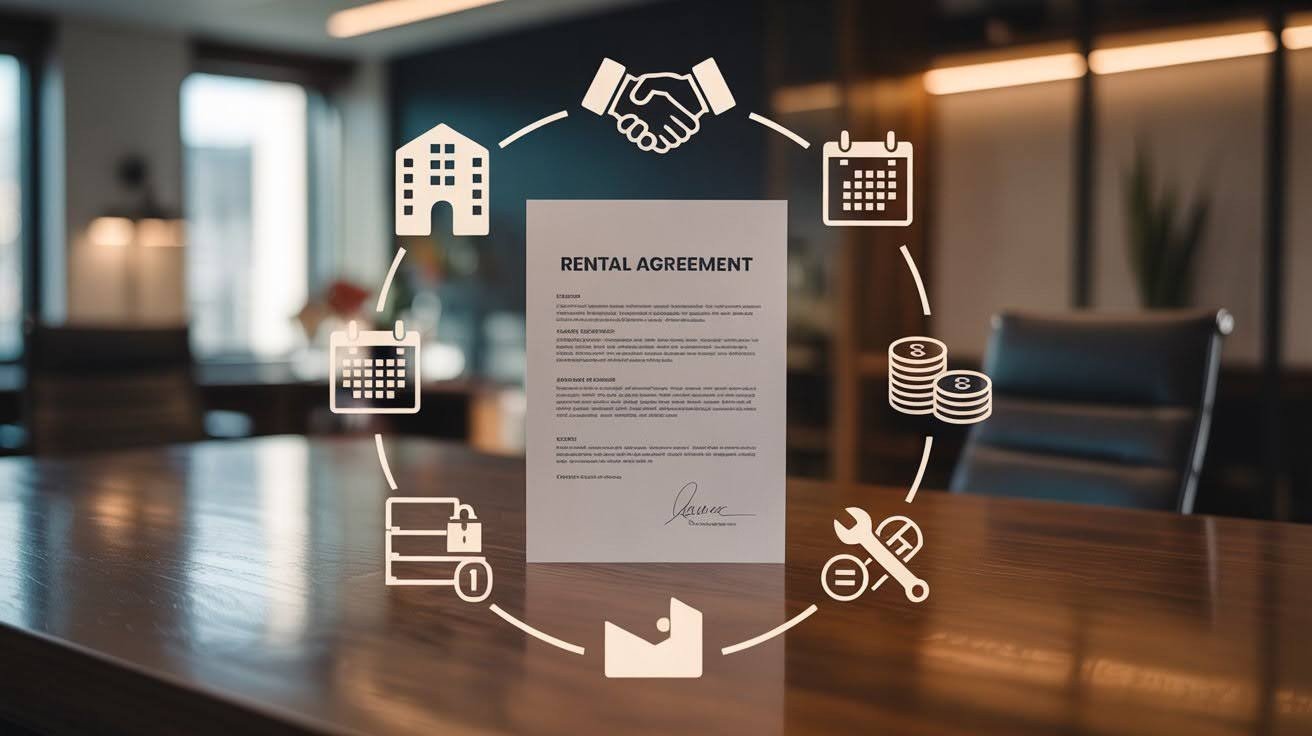
A complete residential lease includes several important sections that protect both parties.
Property Description
The lease must state the full address and type of property you’re renting. Any items that come with the rental should be listed, including appliances and furniture.Decor
The property’s condition should be documented to protect you from being blamed for existing damage.
Tenant and Occupant Details
All tenant names must be listed on the lease.Decor
If other people will live there, they should be listed as additional occupants with their rights and responsibilities clarified.
Lease Term and Duration
The start and end dates must be clearly stated.Decor
Renewal options and notice period requirements, usually 30 to 60 days, should be explained.
Rent and Payment Terms
The monthly rent amount, due date, and accepted payment methods must be specified.Decor
Security deposit details are critical, including the amount and when you’ll get it back.
Landlord and Tenant Responsibilities
Landlord obligations include major repairs and maintenance.Decor
Tenant obligations cover paying rent on time, keeping the property clean, and handling minor repairs.
Rules and Restrictions
The lease should address policies on smoking, pets, and subleasing.Decor
Landlord entry rights must be explained, typically requiring 24 hours’ notice.
Breach and Legal Remedies
Consequences of violating lease terms should be outlined.Decor
The eviction process and dispute resolution methods may be included.
Advantages of a Residential Lease

A residential lease provides legal protection, stable housing costs, clear tenant rights, and predictable terms for both renters and property owners.
Legal Protection
The lease is a legally binding document that can be enforced in court. Tenants are protected from sudden rent increases or unfair evictions. Landlords can collect unpaid rent or address property damage.
Predictability and Stability
A signed lease gives tenants stability for the agreed term without unexpected changes. Landlords benefit from predictable income and reduced turnover costs.
Clear Responsibilities
When everything is written down, there’s no confusion about who does what. This clarity reduces conflicts before they start and makes the rental relationship smoother for both parties.
Conclusion
A residential lease is more than a bunch of papers that get signed. It is a tenant or landlord’s security and peace of mind.Decor
I’ve signed several leases, and I always read the whole thing now. Though somewhat lengthy, it prevents future problems.Decor
Avoid rushing through or skipping the small print, and seek advice and ask questions before you sign if you do not understand something.Decor
A good lease suits all parties involved. Read your next lease carefully. Make sure you’re comfortable with each provision.
Frequently Asked Questions
Can a landlord change the lease terms during my tenancy?
No, landlords cannot change lease terms until the current lease expires. Any changes require a new lease agreement that both parties must sign.
What happens if I need to break my lease early?
Breaking a lease early may result in penalties or loss of your security deposit. Some leases include early termination clauses with specific fees or notice requirements.
Is a verbal lease agreement legally binding?
Verbal leases can be binding for short terms, but written leases are much stronger legally. Most states require written leases for rentals longer than one year.
Can my landlord enter my rental property anytime?
No, landlords must give proper notice before entering, usually 24 to 48 hours. Emergencies are the only exception to this rule.
What should I do if my landlord isn’t meeting their lease obligations?
Document the issues and notify your landlord in writing. If problems continue, you may withhold rent, make repairs and deduct costs, or pursue legal action, depending on local laws.