
Whether you’re purchasing or selling a home, I understand how confusing it can be to deal with the jargon used in real estate.Decor
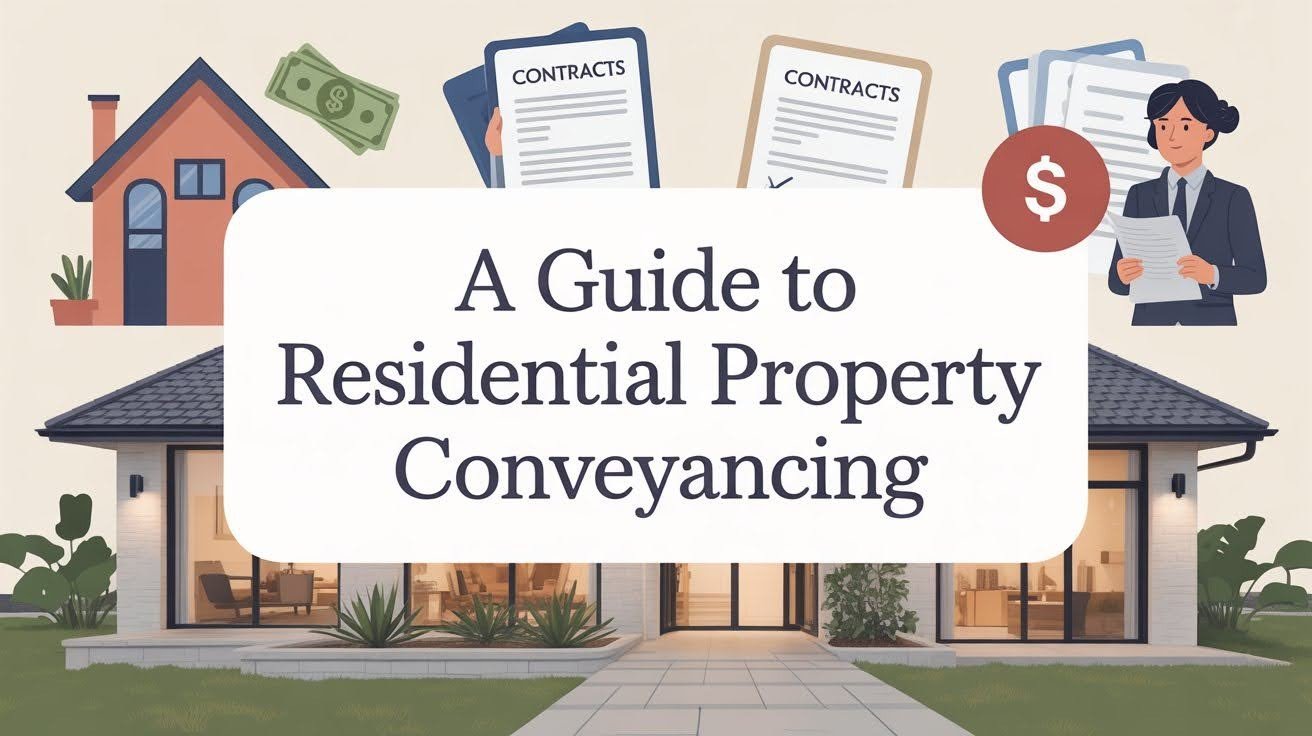
This page will help you understand residential property conveyancing in simple terms now. This guide explains conveyancing. It explains the process.Decor
It explains the paperwork you need. It answers your questions. That way, you can feel confident about moving forward. You can also find this process simple.Decor
Let’s break down everything you need to know about getting your property deal done right.
What is Residential Property Conveyancing?

Conveyancing is the legal process of transferring property ownership from one person to another. It covers everything from checking documents to handling money.
A conveyancing solicitor or lawyer manages this process for you. They review contracts, conduct searches, and make sure the transaction follows the law.Decor
Their job is to protect your interests and spot any issues before you commit.
Without proper conveyancing, you could face legal problems or financial loss. This process ensures the property has clear ownership and no hidden debts or restrictions.Decor
It’s a required part of buying or selling any residential property.
Key Components of a Residential Lease Agreement

A residential lease agreement needs specific information to be legally binding.Decor
Here are the key components that must be included:
Names of all parties: involved, both landlord and tenant, must be clearly stated. This establishes who’s responsible for what.
Property description: identifies the exact location and what’s included in the rental. This prevents confusion later.
Lease term: shows when the agreement starts and ends. Both parties need to know their commitment period.
Rent and payment terms: outline how much is due and when. This section should specify the payment method and due dates.
Security deposit and fees: must be listed clearly. Tenants need to know what they’re paying upfront and what gets returned.
Rights and responsibilities: explain maintenance duties, repair obligations, and property use rules. This protects both parties.
Conditions for renewal and termination: explain how to extend or end the agreement. This includes notice periods and any penalties.
Stages of Residential Property Conveyancing

The property conveyancing process has three main stages that take you from offer to ownership.
Stage 1: Agreeing on the Sale
Once you’ve agreed on a price, the legal work begins. Your solicitor requests key forms from the seller.
The Property Information Form (TA6) provides details about the property’s condition, disputes, and alterations. The Fixtures, Fittings, and Contents Form (TA10) lists what stays and what goes.
Your solicitor prepares the Contract of Sale, outlining all transaction terms. Important searches check for planning issues, environmental concerns, and local authority matters.
Stage 2: Exchange of Contracts
This is when things become legally binding. Both parties sign identical contracts and exchange them through their solicitors.
You’ll set a completion date and pay a deposit, typically 10% of the purchase price. Once contracts are exchanged, pulling out means losing your deposit or facing legal action.
Stage 3: Completion of Sale
Completion day is when ownership officially transfers. Your solicitor handles the transfer of remaining funds to the seller’s solicitor.
All outstanding amounts get settled, including the seller’s mortgage payoff, solicitor fees, and stamp duty. Once everything clears, you get the keys.
Key Documents in Residential Property Conveyancing

Several key documents are critical to completing a property transaction properly.
Title deeds: Theseprove who owns the property and show its ownership history. Your solicitor checks these to confirm the seller has the right to sell.
Mortgage documents: include the mortgage offer from your lender and related agreements. They outline your repayment terms and the lender’s security.
Legal contracts: set out all terms of the sale, including price, completion date, and special conditions. Both parties must sign before the exchange happens.
Property searches: reveal important information about the property and area. These include local authority searches, environmental searches, and water and drainage searches.
Why Understanding a Lease is Important in Conveyancing

Understanding lease terms is critical when buying or selling leasehold property. It affects the entire transaction and your future rights.
For buyers, the lease reveals exactly what you’re purchasing. You need to know how many years remain, as short leases lose value and are harder to mortgage.Decor
The lease also shows ground rent, service charges, and any restrictions on alterations or pets.
For sellers, an existing lease can complicate the sale. Short leases or unfavorable terms reduce property value. You might need to extend the lease before finding a buyer.
During conveyancing, your solicitor examines the lease thoroughly. They check for problematic clauses and confirm proper registration.Decor
If the property has tenants, their lease rights transfer with the sale, and the buyer must honor existing agreements.
Conclusion
Conveyancing can be a nightmare. But if you break it down into simple steps, it really is manageable.Decor
I have gone through this process myself, and good legal advice is critical. Having a good solicitor on your side really does make a difference.Decor
They handle the paperwork while you get on with your move. Do not cut corners here. The small amount spent to hire professionals could save you from bigger problems down the line.Decor
If you want to get your property sale or purchase underway, be sure to call a conveyancing solicitor.
Frequently Asked Questions
What happens if the property chain breaks?
If someone in the chain pulls out, all connected transactions can collapse. You might lose money spent on searches and surveys, but your deposit is usually safe if contracts haven’t been exchanged.
Can I do conveyancing myself?
Technically, yes, but it’s not recommended. The legal requirements are comple,x and mistakes can be costly. Most mortgage lenders require a qualified solicitor anyway.
What’s the difference between a solicitor and a licensed conveyancer?
Both can handle property transactions legally. Solicitors have broader legal training, while licensed conveyancers specialize only in property law. Either option works fine.
Do I need to be present at completion?
No, you don’t need to be there. Your solicitor handles the legal side remotely. You typically collect keys from the estate agent once the funds transfer.
What happens if problems are found during searches?
Your solicitor will explain any issues found. You can then negotiate with the seller, request repairs, adjust the price, or withdraw from the sale.