
How do you own abandoned property without breaking any law? I have spent months figuring this out. I am going to show you how to do it during this explanation.
Directions for taking abandoned and unclaimed property into your control, such as real estate, vehicles, and personal property.
Learn about adverse possession, tax sales, and quiet title actions through this article. Then, I will show you how to find property owners directly and the state-specific rules.
I understand you want direct answers you can trust. I will not recommend anything illegal for that reason. All of the following methods remain 100% legal.
We will cover abandoned property, how to discover the owner, and required paperwork.
Understanding Abandoned Property
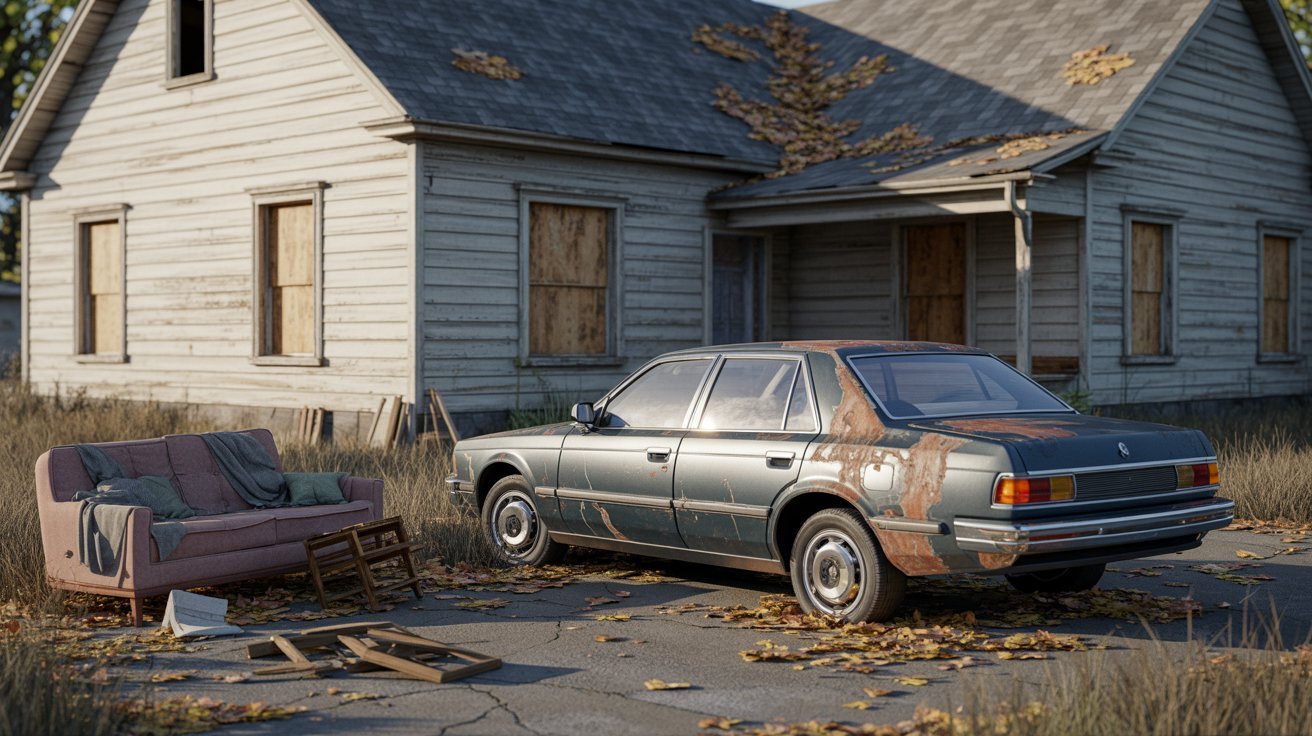
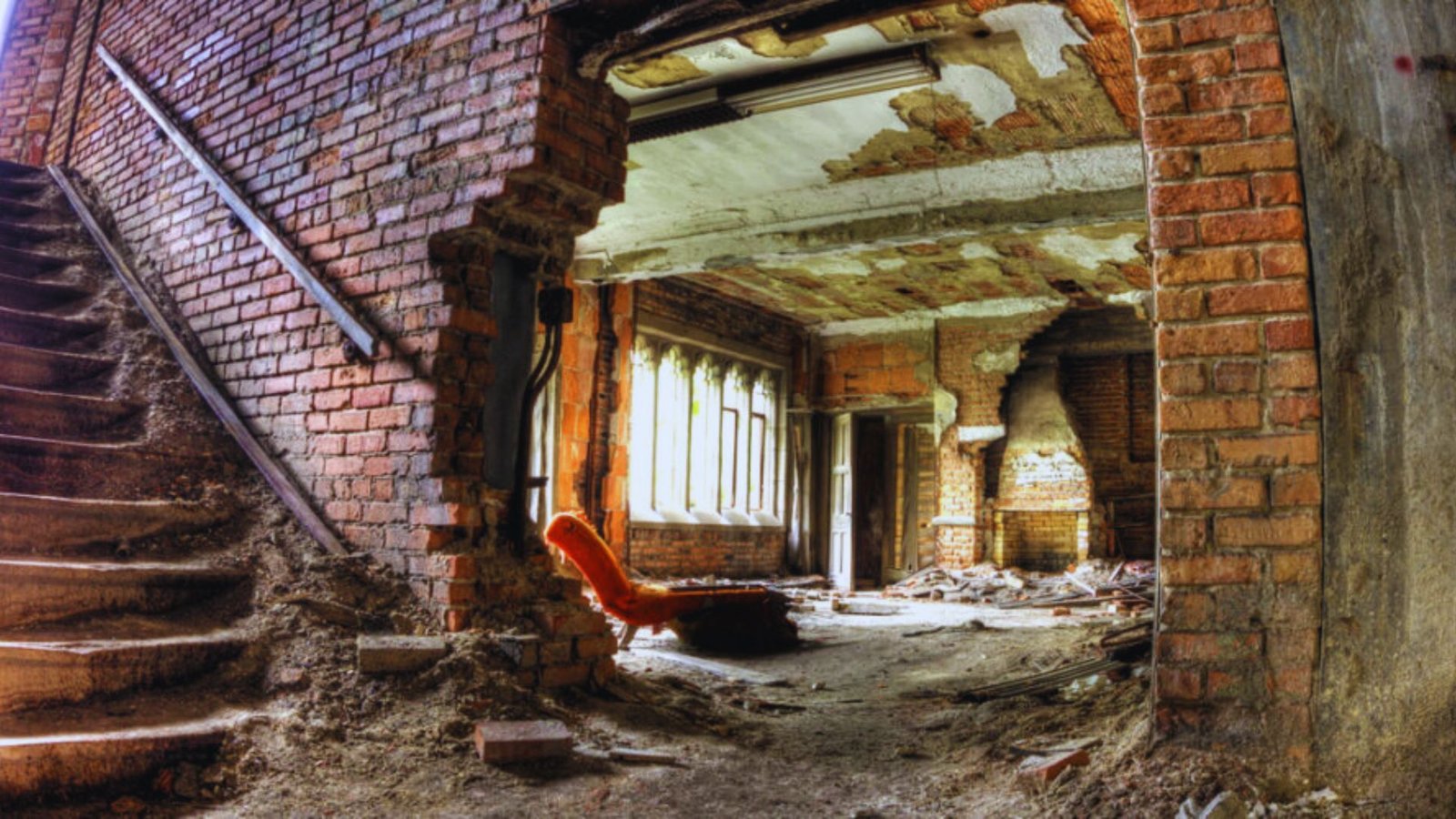
What counts as truly abandoned? Abandoned property sits empty with no one claiming it or caring for it. The owner has walked away completely. Examples include houses with boarded windows, cars collecting dust for years, or furniture left on curbs.
Don’t confuse this with lost or vacant property. Lost property means someone misplaced it. Vacant property has an owner who just isn’t using it. Abandoned means the owner has given up all rights.
Every property has a paper trail. Property records and deeds show who legally owns what. You can’t just move into an empty house because it looks abandoned. Taking possession without permission creates serious risks.
You could face trespassing charges or civil lawsuits. The legal owner can return anytime and force you out. Always verify ownership first.
Methods to Legally Acquire Abandoned Property
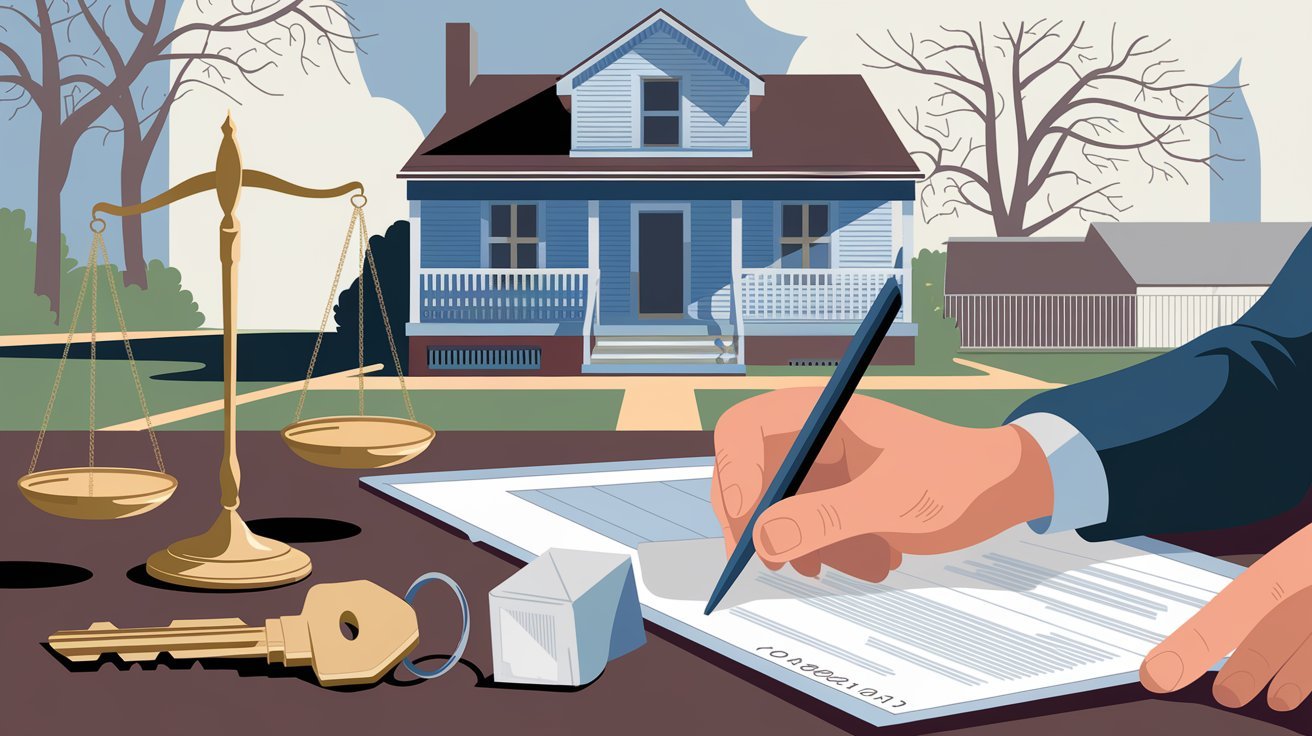
There are three main legal ways to get ownership of abandoned property.
Contact the Legal Owner:
Start by finding who owns the property. Check tax records at your county assessor’s office and look up the deed at the recorder’s office. Banks often own abandoned homes after foreclosure.
Call the mortgage company listed in public records. Sometimes owners are willing to sell cheap just to avoid property taxes. This approach is faster and safer than other methods.
Purchase Through Tax Sales or Government Programs:
Counties hold tax auctions when owners don’t pay property taxes. You can bid on these properties legally, and prices stay low. Check your county treasurer’s website for auction dates.
Many cities also run rehabilitation programs for abandoned properties. They sell rundown homes to people who promise to fix them up. Contact your city’s housing department for requirements.
Adverse Possession:
This legal concept lets you claim property by occupying it openly for years. You must use the property continuously, openly, and without permission while paying property taxes. Each state sets different rules.
Arkansas requires seven years, Texas needs ten years, and California demands five years plus tax payments. Courts don’t automatically grant you ownership, and original owners can challenge your claim.
Legal fees add up quickly. Consider this your last resort, not your first choice.
Steps to Claim Abandoned Real Estate
Follow these four steps to legally claim an abandoned house or land.
Confirm the Property is Abandoned

Walk around the property and look for signs. Broken windows, overgrown yards, and piled-up mail suggest abandonment. Take photos with dates. Document everything you see.
Visit your county recorder’s office. Research the property’s history. Find out when taxes were last paid. Check if utilities are still connected. Look for code violations or liens. This research proves the property is truly abandoned, not just vacant.
Research State Laws
Every state has different rules for adverse possession. Some require five years of occupation, others need twenty. Find out your state’s specific requirements online or at your library.
You must pay property taxes during the entire occupation period. Miss one payment and your claim fails. Keep receipts for every tax payment. These documents prove your continuous claim to the property.
Occupy and Maintain the Property

Move into the property openly. Don’t hide what you’re doing. Fix broken items, mow the lawn, and pay utility bills. Make improvements that show you’re treating it as your own.
Document everything you do. Take before and after photos. Save receipts for repairs and improvements. Keep utility bills in your name. This paper trail proves you’ve been maintaining the property continuously.
File a Quiet Title Action

After meeting your state’s time requirements, hire a real estate attorney. They’ll file a quiet title action in court. This legal process asks the court to declare you the official owner.
The court notifies the previous owner and anyone with claims to the property. They get a chance to object. If no one challenges your claim successfully, the court transfers ownership to you. You receive a new deed with your name on it.
Risks and Challenges
Claiming abandoned property comes with serious legal and financial risks you should know about.
- Legal disputes with original owners. Previous owners can return years later and sue you. Court costs pile up quickly, even if you win the case.
- Criminal charges for trespassing. Police might arrest you for squatting before you establish legal possession. A criminal record affects future housing and employment opportunities.
- Expensive repairs and maintenance. Abandoned properties need major work. Roof damage, plumbing issues, and electrical problems cost thousands to fix.
- Lengthy time commitment. The legal process takes years, not months. You might occupy and maintain a property for a decade before gaining ownership.
- No guaranteed results. During the entire occupation period, you’re investing money and effort without any guarantee you’ll get the property.
Best Practices
These five tips will help you claim abandoned property safely and legally.
- Always verify legal ownership first. Check multiple sources including tax records, deeds, and mortgage documents. Don’t rely on assumptions about who owns the property.
- Keep detailed records of everything. Save receipts, take photos, and document dates. Write down conversations with officials or potential owners to protect yourself in court.
- Consult a real estate attorney early. They know your state’s specific laws and can guide you through the system. Legal fees are worth avoiding costly mistakes down the road.
- Try official purchase before adverse possession. Contact the owner or bank directly and make an offer. This path is faster, cheaper, and less risky than adverse possession.
- Document all maintenance and improvements. Keep utility bills in your name, save repair receipts, and take before-and-after photos. This evidence proves continuous occupation and care.
Conclusion
How do you take ownership of abandoned property? I’ve researched that extensively and the answer, as is often the case, takes more patience than most people expect.
I’ve seen friends rush in without proper legal guidance and wind up creating big problems that could’ve been avoided.
My advice? Research before buying, selling, or investing after you consult a real estate attorney. Did an empty house in your neighborhood ever catch your eye? Have you ever seen one?
Leave your thoughts and questions in the comments from below. We can learn from each other to reach well-educated decisions!
Frequently Asked Questions
Can I just move into an abandoned house?
No, you cannot legally move into an abandoned house without permission. Moving in without authorization constitutes trespassing and could result in criminal charges.
How long does adverse possession take?
Adverse possession typically takes between five and twenty years, depending on your state’s laws. You must occupy the property continuously and pay property taxes during this entire period.
Do I need to pay property taxes on abandoned property I’m claiming?
Yes, paying property taxes is required for adverse possession claims in most states. You must make these payments consistently and keep all receipts as proof.
What’s the difference between abandoned and foreclosed property?
Foreclosed property has been legally repossessed by a bank or lender. Abandoned property is left behind by owners who stopped caring for it.
Can I claim abandoned property found on my land?
Personal items left on your property for an extended period may become yours under abandonment laws. However, you typically must store the items and attempt to contact the owner first.