
I remember when I was searching for my first apartment. I found an amazing place with great rent, but I hesitated for just two days. When I called back, it was gone. Someone else had already signed the lease.
That’s when I learned about pre-leasing, and it changed everything for my next move.
Pre-leasing lets you secure your future home months in advance. If you’re a student preparing for next semester or simply want to avoid the stress of last-minute apartment hunting, this strategy can be a game-changer.
Let me show you how it works.
What Is Pre-Leasing?
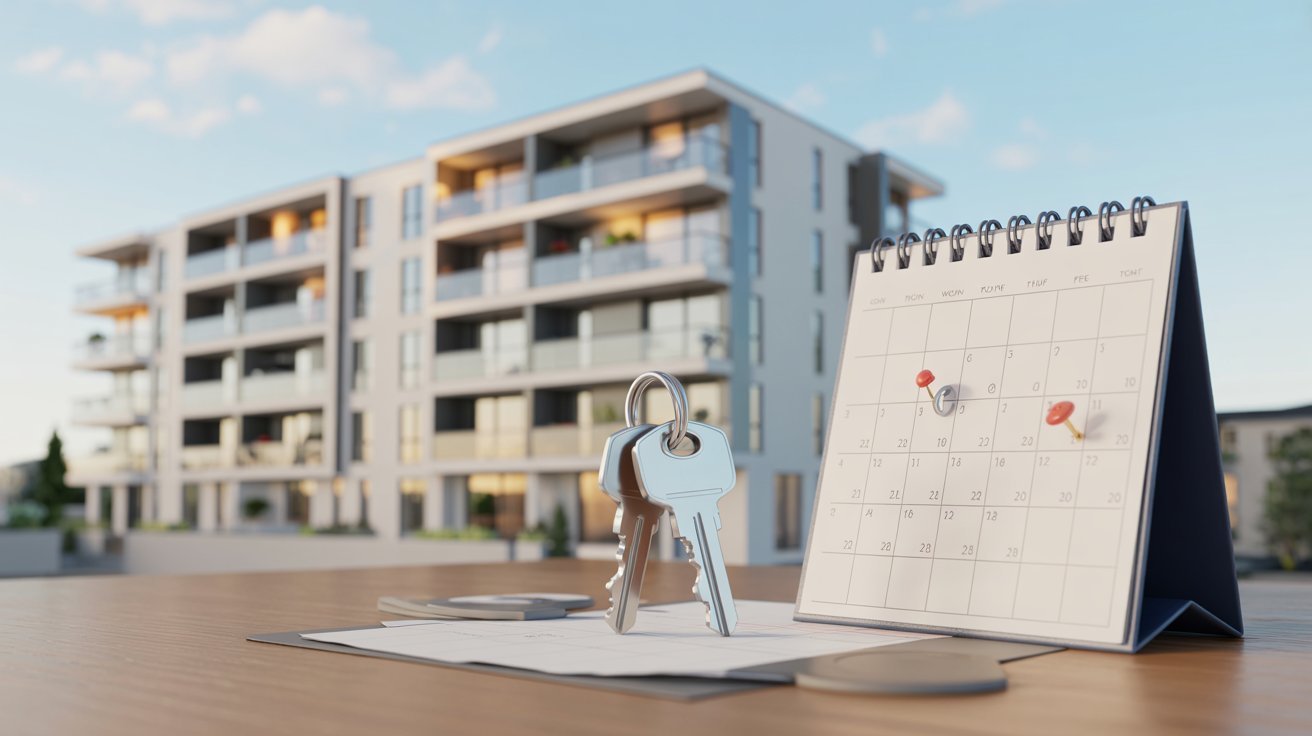
Pre-leasing allows renters to sign lease agreements and reserve properties in advance, before the actual move-in date arrives.
Simple Definition
Pre-leasing means you sign a rental agreement for a property before you can actually move in. You’re basically reserving your spot ahead of time.
This applies to different situations. Maybe the current tenant hasn’t moved out yet. Or the property is still being built. Sometimes it’s a unit going through renovations.
The key point is simple. You commit to the lease now, but you move in later.
Key Purpose of Pre-Leasing
Why do people pre-lease? The main reason is to grab a great apartment before anyone else can.
In busy rental markets, good properties disappear fast. Pre-leasing gives you an advantage. You can claim your preferred unit while others are still thinking about it.
It also takes away the pressure. You won’t be scrambling at the last minute trying to find a place. Your housing is already sorted out, sometimes months in advance.
How Pre-Leasing Works
Pre-leasing follows five simple steps from checking availability to signing the lease and waiting for your official move-in date.
Step 1: Check Availability

Start by calling or visiting the leasing office. Ask them about units that will become available soon. They’ll tell you expected move-in dates and which floor plans are open for pre-leasing.
This helps you understand your options and plan your timeline. Some properties let you pre-lease up to six months ahead.
Step 2: Submit Application
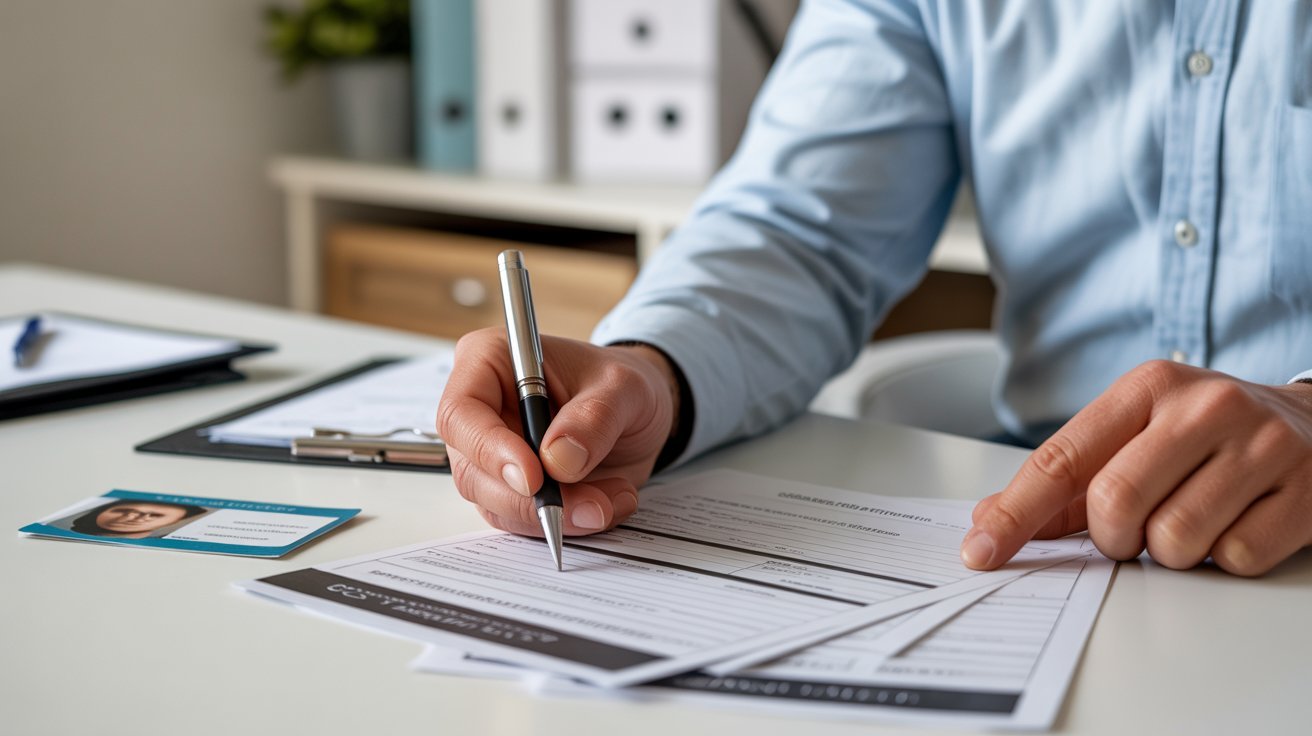
Once you find a unit you like, fill out the rental application. You’ll need to provide documents like proof of income, references, and identification.
The landlord will run a background and credit check. Most places charge an application fee. This step confirms you’re a qualified tenant.
Step 3: Pay Deposit
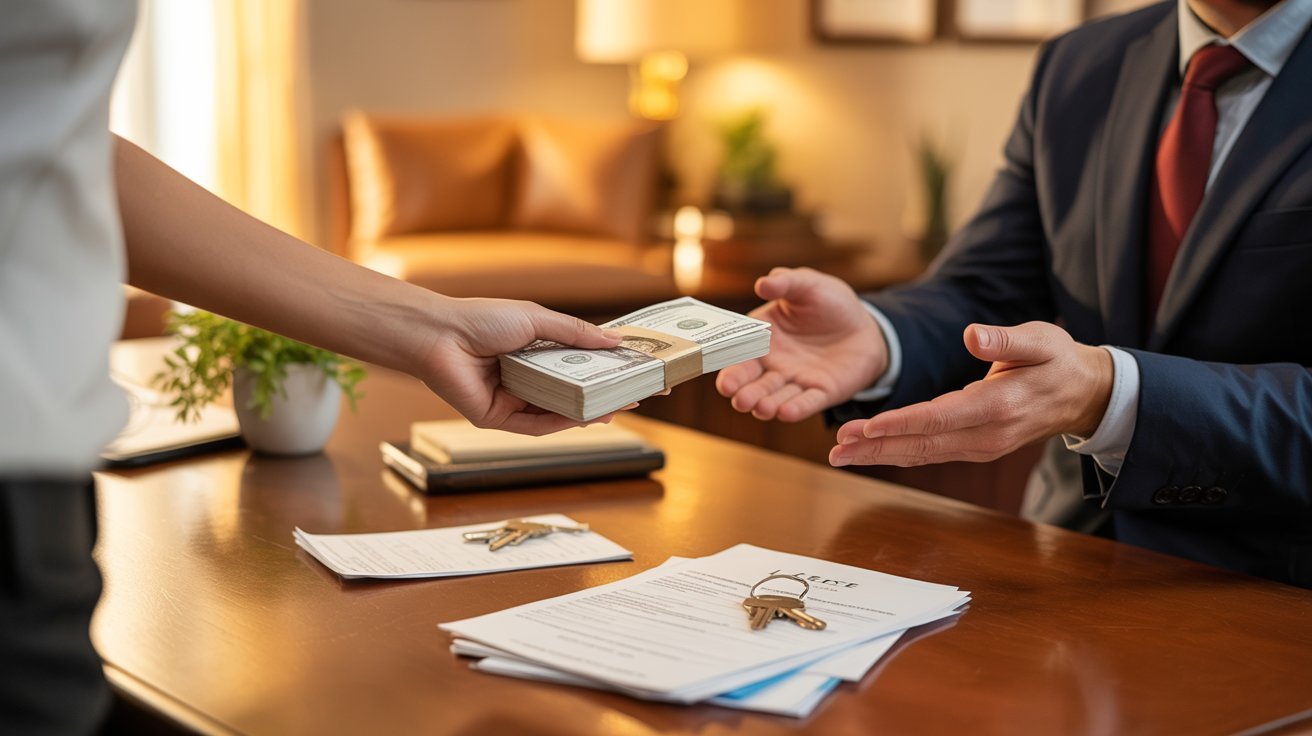
After your application gets approved, you’ll pay a security deposit. This deposit holds the unit in your name and shows you’re serious about renting.
The amount varies but is often equal to one month’s rent. Some landlords offer partial refunds if your plans change, but read the terms carefully before paying.
Step 4: Sign Lease

The leasing office will send you the official lease agreement. Read it thoroughly before signing.
The document lists your move-in date, monthly rent, lease duration, and all terms and conditions. Once both parties sign, the unit is officially yours. Keep a copy of this signed lease for your records.
Step 5: Wait for Move-In

Now comes the waiting period. The current tenant might still be living there, or construction could still be happening.
The landlord may send you photos or virtual tours. In-person visits usually happen closer to your move-in date. Stay in contact with the leasing office for updates on progress.
Benefits of Pre-Leasing
- You get first choice on the best units: In competitive markets, the most desirable apartments fill up quickly, and pre-leasing ensures you don’t miss out.
- You can review all the details before committing: Most landlords provide floor plans, photos, and amenity information so you know exactly what you’re getting.
- Your moving timeline becomes predictable: Once you pre-lease, you know your exact move-in date and can plan everything else around it without uncertainty.
- You avoid the last-minute apartment hunt: Instead of rushing to find a place under pressure, you can relax knowing your housing is already secured.
- You have more time to prepare financially: Knowing your rent amount months ahead lets you budget properly and save for moving expenses and furniture.
Who Should Consider Pre-Leasing?

Pre-leasing isn’t for everyone, but it makes sense for certain groups of renters.
If you live in a city with a tight housing market, pre-leasing gives you a competitive edge. Good apartments get claimed fast, and waiting too long means settling for less.
College students benefit significantly from pre-leasing. Campus housing fills up months before the semester starts. Getting your application in early means you can choose your location and roommates.
Planning a move during summer or early fall? These are peak rental seasons when demand is highest. Pre-leasing helps you avoid the rush and guarantees you have a place ready when you need it.
Common Questions About Pre-Leasing
Can you tour the unit before paying a deposit? It depends. If someone still lives there, you’ll likely see a similar unit instead.
For new buildings, expect photos or virtual tours only. What if you change your mind? Read the cancellation policy carefully.
Some landlords refund deposits within a grace period, while others don’t refund at all. You could lose part or all of your money.
How long will they hold the property? Most landlords hold units for two to six months after your deposit. New construction might take longer. Your lease should state the exact move-in date.
Conclusion
Pre-leasing has saved me from so much housing stress over the years, and it can do the same for you. It’s a straightforward way to claim your ideal apartment before the competition even knows it’s available.
You get to plan ahead, avoid the rush, and move in with confidence. No more settling for whatever’s left at the last minute.
If you’re ready to secure your next home, reach out to your preferred leasing office today. Ask about their pre-leasing options and available move-in dates. Taking this step now means one less thing to worry about later. Your future self will thank you.
Frequently Asked Questions
Is pre-leasing the same as paying rent in advance?
No, they’re different. Pre-leasing means signing a lease early to reserve your unit. You typically pay a deposit to hold it, but regular rent payments don’t start until your actual move-in date arrives.
Can I pre-lease an apartment if I have bad credit?
It depends on the landlord’s requirements. Some may reject your application, while others might ask for a co-signer or larger deposit. Being upfront about your credit situation and showing proof of stable income can help your case.
Do all apartments offer pre-leasing options?
No, not all properties do this. Pre-leasing is more common in student housing, new developments, and large apartment complexes. Smaller landlords or individual property owners might prefer traditional leasing only, so always ask about their policies.
When is the best time to start pre-leasing?
Start looking three to six months before you need to move in. For student housing near universities, begin even earlier, around January or February for fall moves. The earlier you start, the more options you’ll have available.
What documents do I need for pre-leasing?
You’ll need the same documents as regular leasing. Bring proof of income like pay stubs, government-issued ID, references from previous landlords, and your social security number for the background check. Some places also require bank statements.