

How can I find out who owns a property? This information may be necessary for investment research, interest purchases, dispute resolution, or just plain curiosity.
The good news is that most of the time, property ownership is publicly known.
I’ll tell you exactly where to look and what to do. You’ll discover both free and paid ways to rapidly obtain precise ownership information.
We will discuss why you need ownership information, seven efficient ways to search online databases and county records, how to conduct accurate searches, and legal considerations.
I’ve studied these methods and applied them to my own real estate research. Believe me, if you know where to look, it’s much easier to find property owners.
Why You Might Need to Find Property Ownership Information
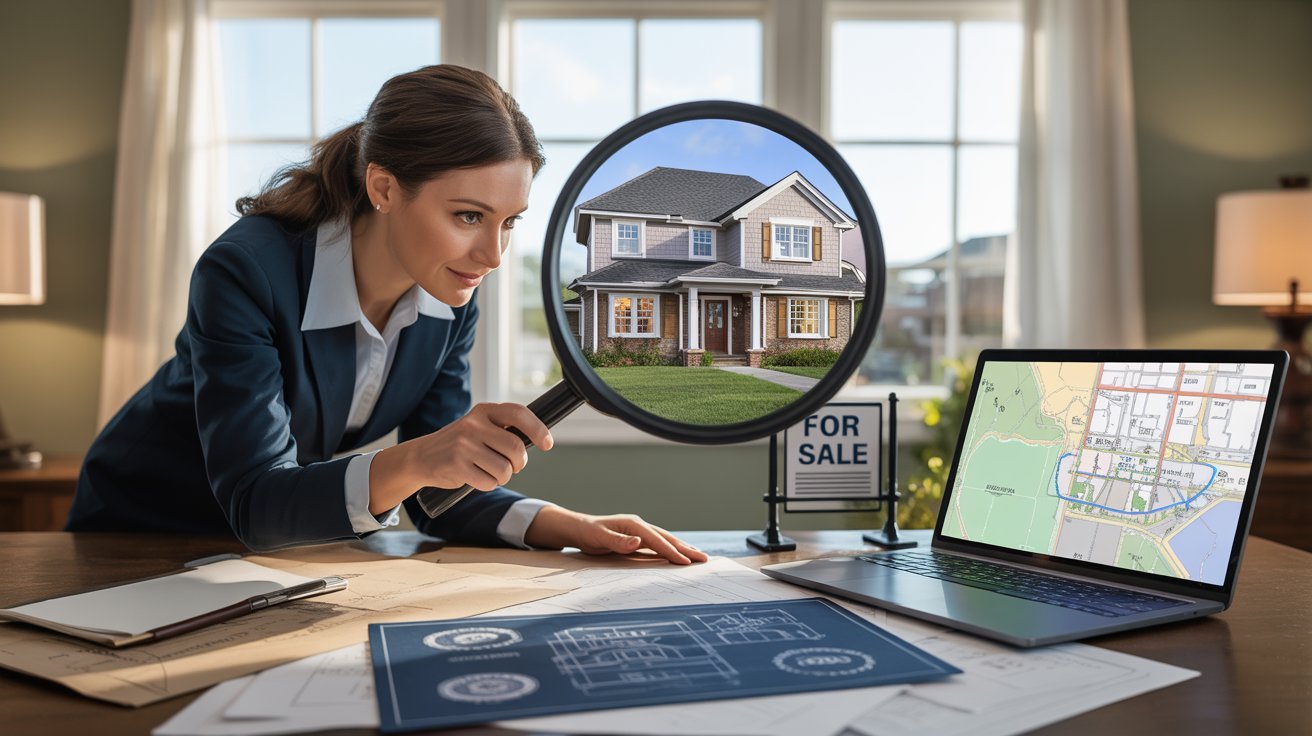
Buying or Investing in Real Estate
Knowing the current owner is essential before making an offer or starting negotiations. Investors research ownership to identify motivated sellers or absentee owners who may be willing to sell.
Settling Property Disputes or Boundary Issues
Confirming who legally owns adjacent land helps resolve fence lines, tree disputes, and shared driveways. Court cases and mediation depend on accurate ownership records.
Tracking Down Absentee Landlords or Heirs
Finding owners becomes necessary when properties sit vacant or poorly maintained. Tenants may need to contact owners for repairs, or neighbors might want to purchase neglected properties. Estate situations require locating heirs who inherited property.
Conducting Due Diligence Before Making an Offer
Verifying the seller actually owns the property protects your investment. Checking for liens, unpaid taxes, or legal issues prevents costly mistakes before you commit money.
How to Find Who Owns a Property: 7 Effective Methods
Multiple approaches exist for finding property ownership, from free public records to paid professional services offering varying levels of detail.
1. Search County or City Assessor’s Office Records
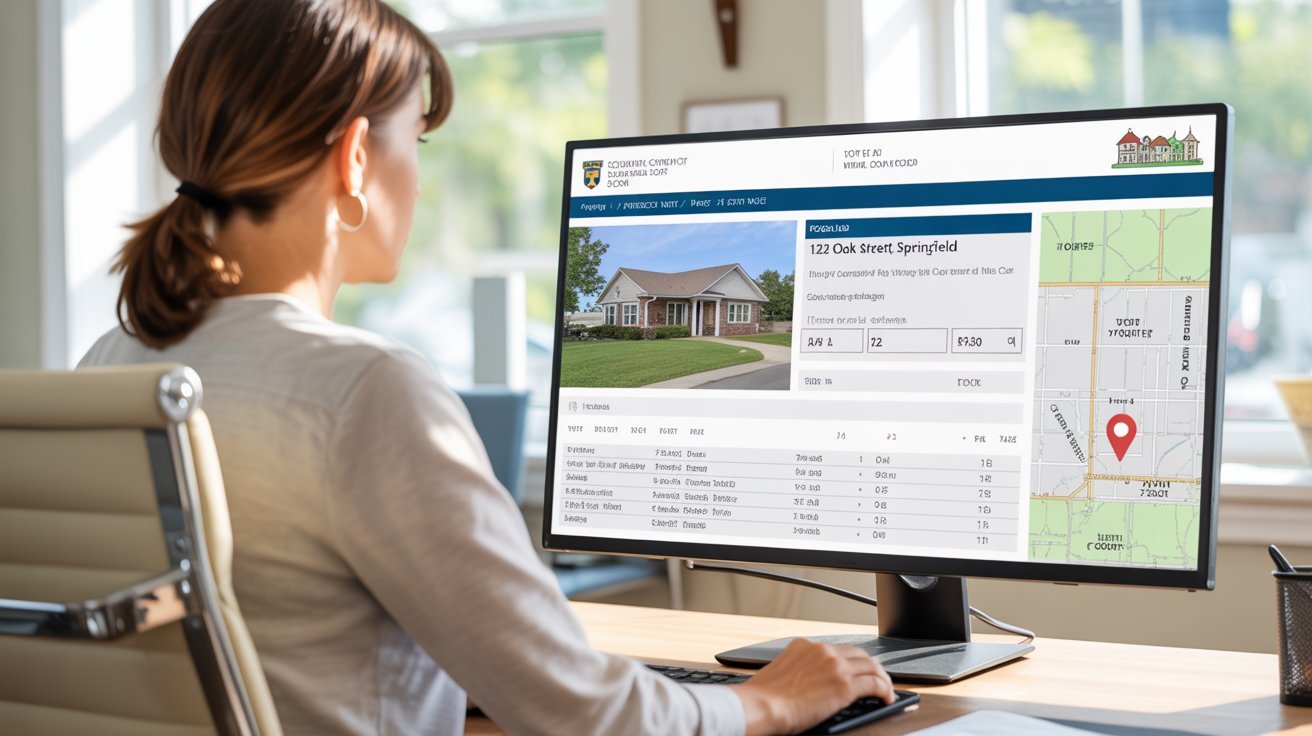
Most local governments maintain public property ownership data online. Visit your county assessor’s website and search by address, parcel number, or owner name.
Records show the owner’s name, mailing address, property value, and tax information. This is often the fastest and most reliable free method.
2. Use the County Recorder or Clerk’s Office
The county recorder maintains deed records and ownership transfers. Many counties offer online access to search by address or parcel number.
Some charge small fees ($1 to $5 per page) for document copies, but viewing is often free.
3. Check Online Property Search Tools and Databases
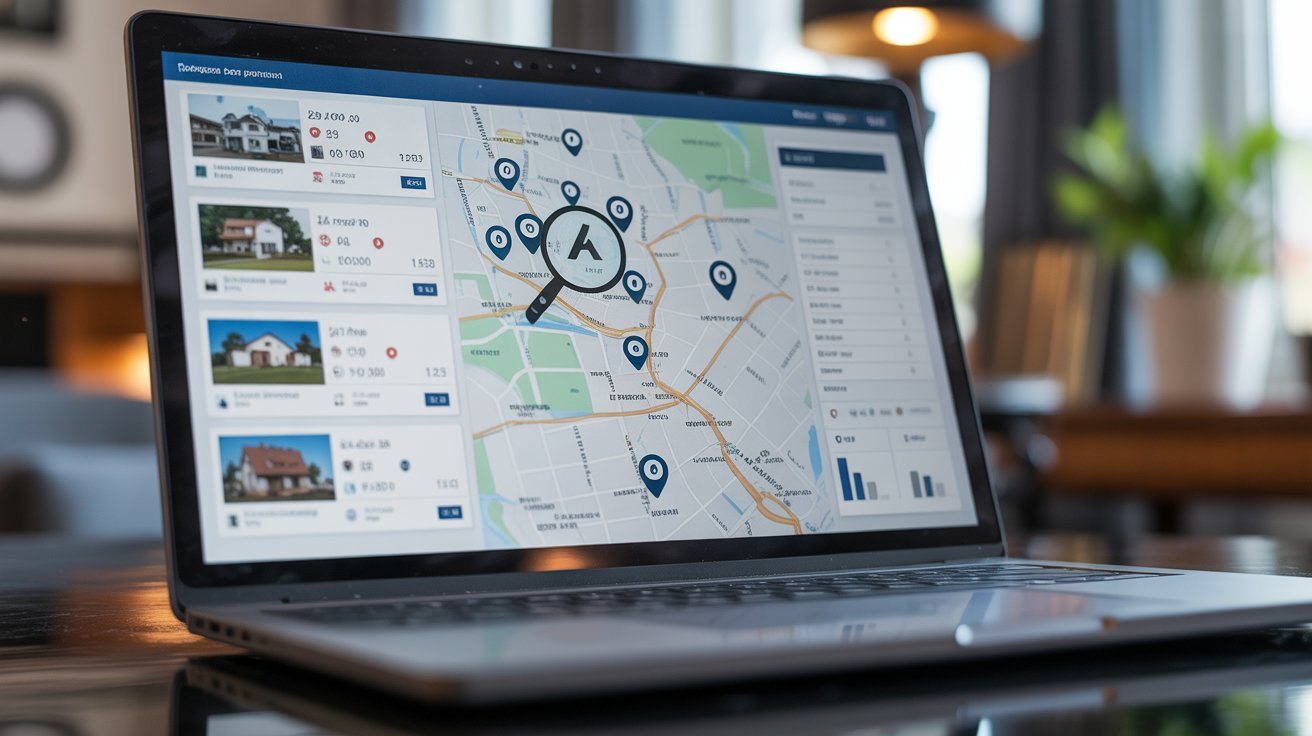
Free options like Zillow and Realtor.com show basic ownership information. Paid services like PropertyShark and BeenVerified ($20 to $50 per report) provide detailed ownership history.
Always verify important details with official county records as online databases may be outdated.
4. Use Title Company or Real Estate Agent Services

Title companies provide thorough ownership verification for $200 to $400. Real estate agents can access MLS data showing current ownership.
These services offer reliability and completeness but cost more than public records.
5. Look at Tax Records and Billing Statements
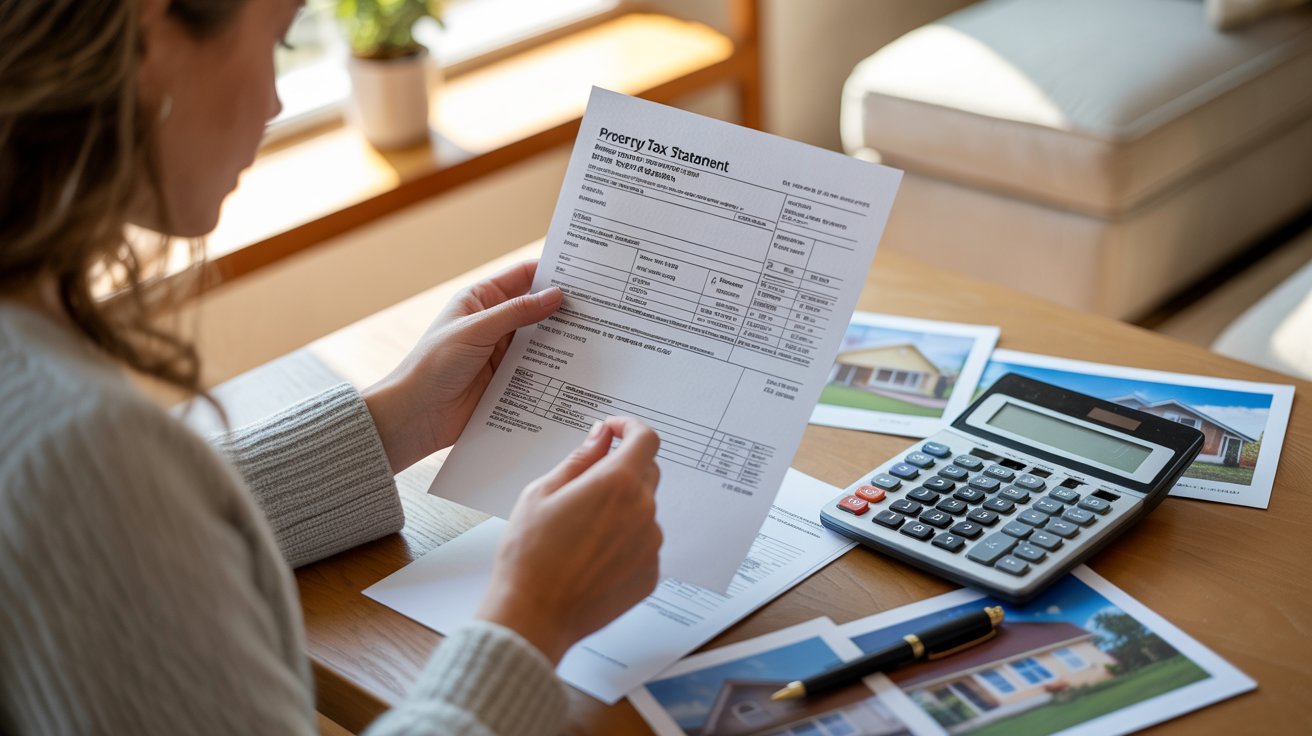
Property tax records list the legal owner and are accessible through your local tax collector’s website.
Search by address or parcel number to find the owner’s name and mailing address.
6. Search State Property or Land Records Databases

Some states maintain centralized property record systems.
Check your state government website for a property records portal that aggregates county information statewide.
7. Contact the Homeowners Association (HOA) or Neighbors

HOAs maintain resident directories and may share owner contact details for legitimate reasons. Neighbors often know who owns nearby properties, especially vacant ones.
This works best for informal inquiries.
Tips for Accurate Property Ownership Searches
- Cross-check data across multiple sources: County records, tax information, and online databases should all match. Discrepancies indicate outdated information or errors.
- Watch for outdated or incomplete online records: Third-party websites may not reflect recent sales or ownership changes. Always verify with official county sources.
- Confirm ownership with official documents: Deeds and title reports are legal proof of ownership. Don’t rely solely on websites or verbal information for important decisions.
- Note the difference between mailing addresses and property addresses: Owners don’t always live at the property. The mailing address on tax records shows where to contact them.
- Check recording dates on documents: Recent recordings indicate new ownership. Older documents may no longer reflect current owners.
Legal and Privacy Considerations
Property ownership information is public record in most cases. Anyone can legally access this data through official government sources.
Public information includes the owner’s name, property address, sale price, tax assessments, and deed records. This transparency supports real estate transactions and property rights.
However, some information remains private. Social security numbers, detailed financial records, and personal contact details beyond mailing addresses are protected.
Never misuse personal data: Using ownership information for harassment, stalking, or fraud is illegal. Stick to legitimate purposes like real estate transactions, research, or resolving disputes.
Respect privacy boundaries: Just because information is public doesn’t mean you should abuse it. Contact property owners professionally and respectfully.
Consult professionals when needed: Complex ownership situations, legal disputes, or high-value transactions warrant expert help. Real estate attorneys and title companies provide guidance for complicated cases.
Conclusion
When looking into investment properties, I have personally employed these techniques, and they are effective. Knowing where to look makes it easy to determine who owns a property.
Free county assessor records are a good place to start. If necessary, try tax databases or internet resources.
The majority of ownership data is readily available to the public in a matter of minutes. Unless you want thorough reports or expert verification, you are not required to pay for services.
Are you prepared to locate property owners? Use the aforementioned techniques to begin your search right now.
Do you have any queries or advice? Please leave a comment below.
Frequently Asked Questions
Is property ownership information public?
Yes, property ownership is public record in most jurisdictions. You can access owner names, addresses, and deed information through county recorders and assessor offices.
How much does it cost to find property ownership?
County records and assessor data are usually free online. Paid services like PropertyShark cost $20 to $50 per report. Title searches cost $200 to $400.
Can I find property ownership without an address?
Yes, search by owner name or parcel number through county assessor websites. Tax records and recorder offices also allow searches by owner identity.
How accurate are online property databases like Zillow?
Online databases provide convenient starting points but may contain outdated information. Always verify ownership details with official county records for important decisions.
What if the property owner information doesn’t match?
Discrepancies indicate recent sales or database errors. Check the county recorder for the most recent deed. Recording dates show when ownership actually changed hands.