
So, how much does it cost to tint a house window? I’m curious too! In terms of real numbers that you’ll pay for this, I can show you that. No hidden fees.
You’ll find out what the average price is for different types of films, and what affects it. I’ll get into DIY vs. professional installation, warranty, and the long-term savings of solar in the next sections.
Trust me when I say, being aware of these now will help your budget later on. Listen to this, and you’ll be golden. You need to know exactly what your real budget is.
Average Cost of Tinting Home Windows
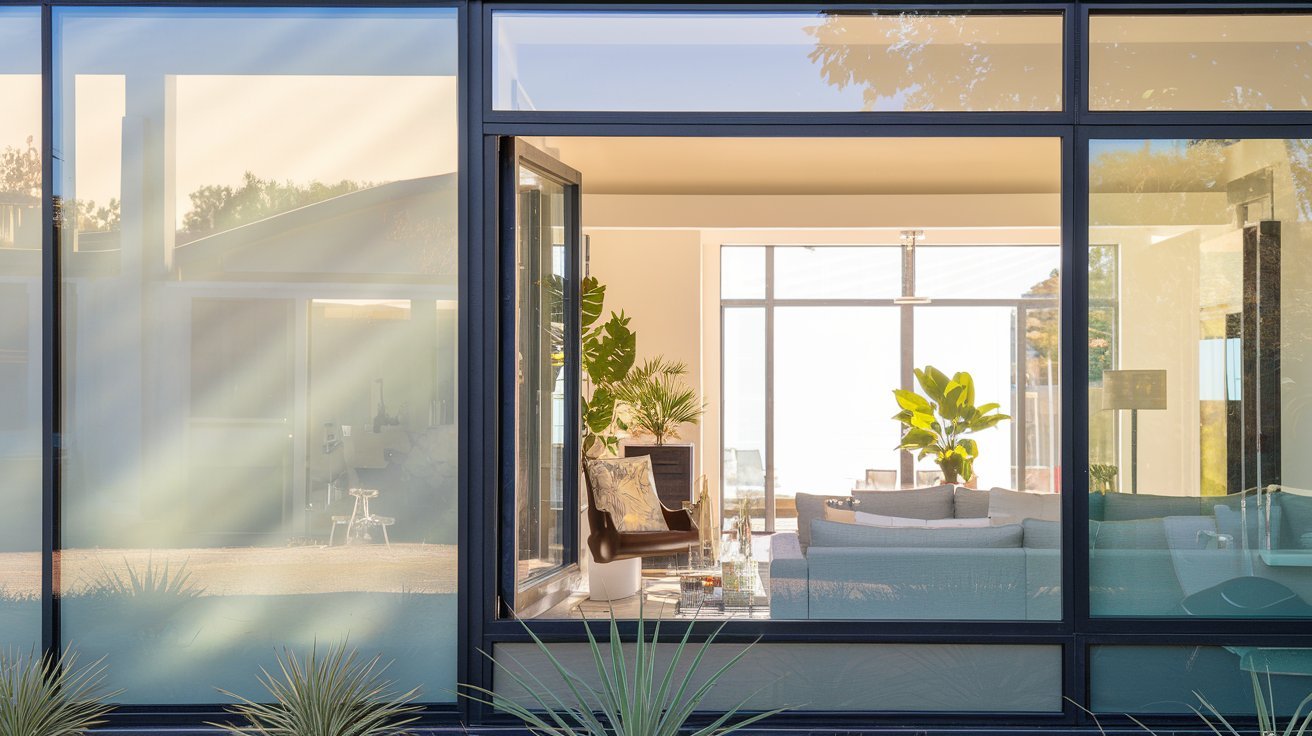
Most homeowners spend between $750 and $5,000 on residential window tinting projects. Your final price depends on home size and film quality.
National Average and Typical Price Range
|
Film Type |
Cost Per Square Foot |
Best For |
|
Basic Films |
$6 to $9 |
Budget-conscious homeowners, rental properties |
|
Mid-Range Films |
$10 to $14 |
Most residential projects, balanced performance |
|
Premium Films |
$15+ |
Maximum performance, long-term investment |
Most standard projects fall between $8 and $15 per square foot.
Cost by Project Size
|
Home Size |
Number of Windows |
Typical Cost Range |
What’s Included |
|
Small Homes |
10 to 15 windows |
$750 to $1,500 |
Basic solar film on standard-sized windows |
|
Medium Homes |
20 to 30 windows |
$2,000 to $3,500 |
Mix of window sizes with mid-range film quality |
|
Large Homes |
40+ windows |
$4,000 to $5,000+ |
Multiple window types, premium films available |
Calculate your estimate by measuring your total window square footage. Multiply by your chosen film’s price per square foot. Add 20% for labor and complexity.
Factors That Influence Window Tinting Prices
Type of Window Film
Solar-control films: block heat and reduce cooling costs. They’re the most popular choice for homes.
Privacy films: prevent outside viewing while letting light in. These work well for bathrooms and street-facing rooms.
Decorative films: add style with patterns or frosted looks. They cost more due to design complexity.
Safety films: hold glass together if broken. They provide security and storm protection.
Anti-graffiti films: create a protective barrier. These are mainly for commercial spaces but some homeowners use them.
Advanced technology increases costs. Ceramic and spectrally selective films cost more than basic dyed versions.
Size and Accessibility of Windows
Large windows need more material and installation time. This raises your total cost.
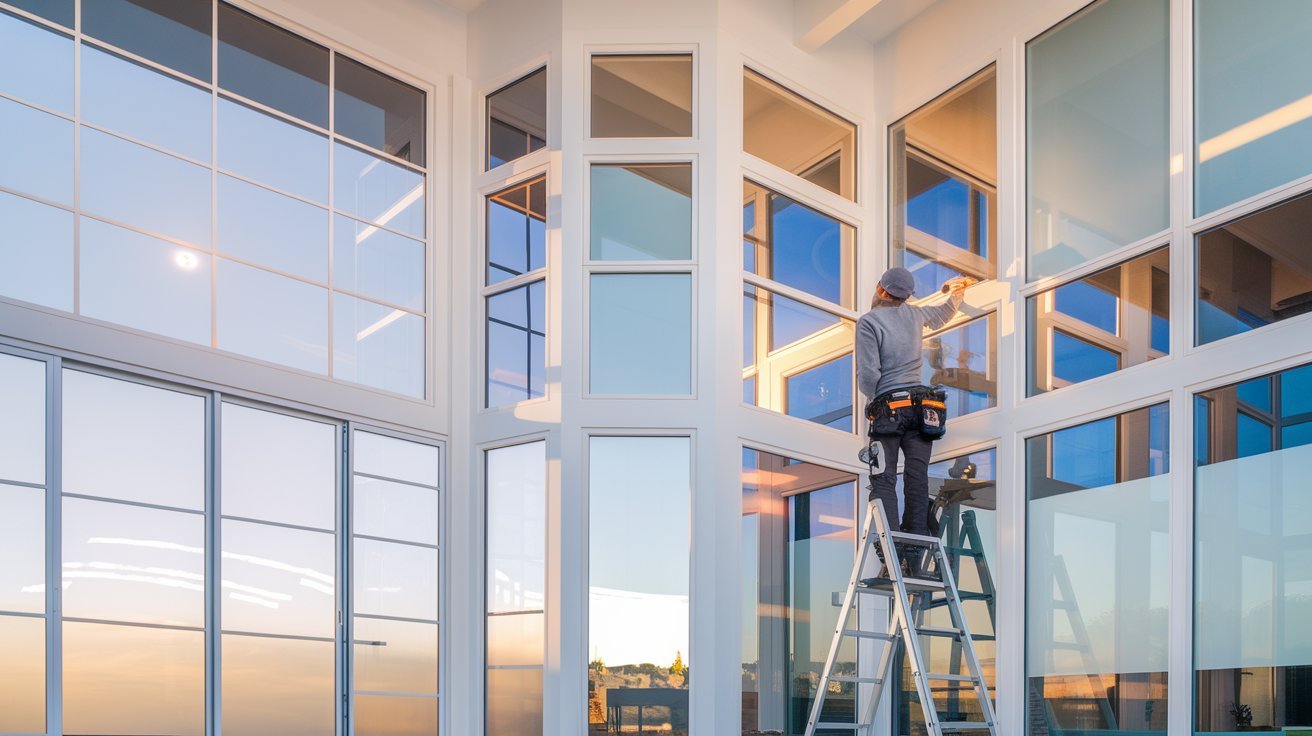
Hard-to-reach windows require ladders or special equipment. Expect higher labor charges for second-story or oddly shaped windows.
Bay windows, skylights, and custom shapes take extra time. Complex installations can double labor costs.
Installation Timeline and Labor Costs
Standard installation takes one to three days. Most installers charge $3 to $6 per square foot for labor.
Rush jobs cost 20% to 50% more. Plan ahead if you want to avoid premium fees.
Location affects pricing too. Major cities charge more than rural areas. Bay Area rates run 30% to 40% higher than national averages.
Pre-Existing Film Removal
Removing the old tint adds $2 to $4 per square foot. Damaged or bubbling film takes longer to strip away.
Some installers include removal in their quote. Others charge it separately. Always ask upfront.
Window Tinting Price Breakdown by Film Type
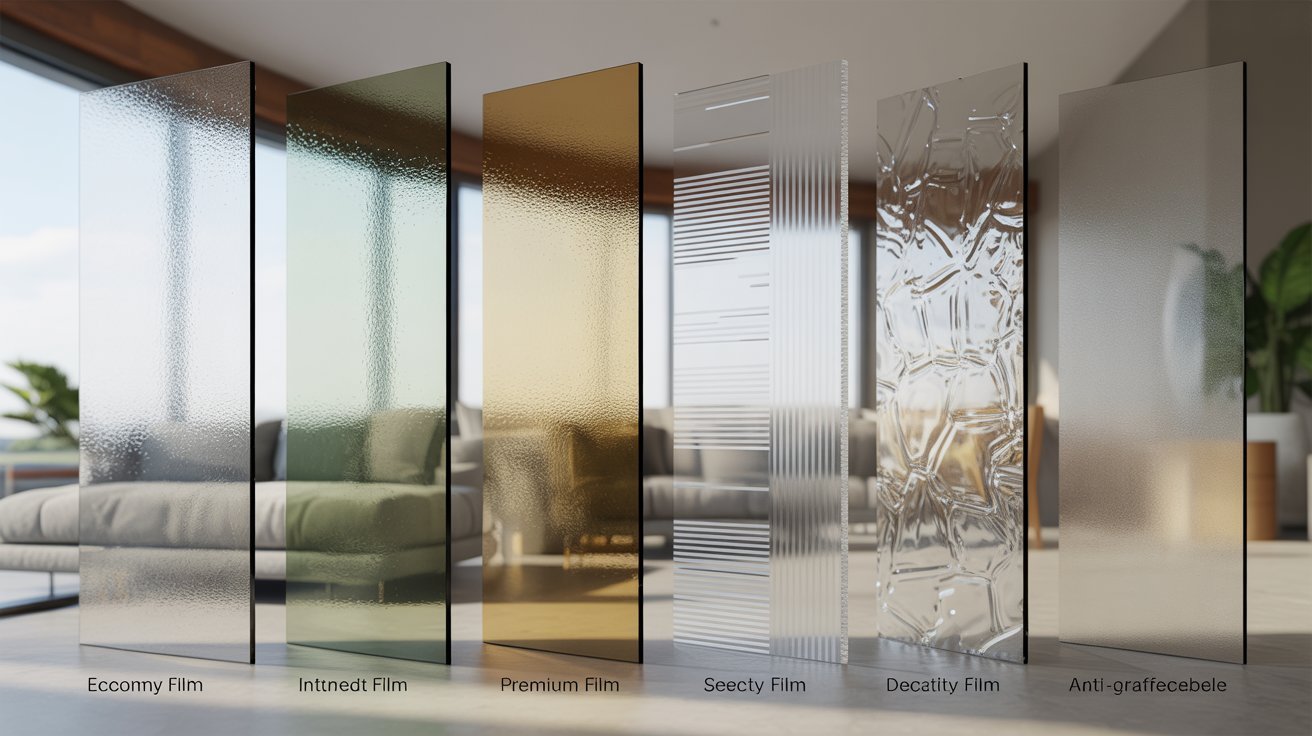
Economy films: cost $8 to $10 per square foot. These basic dyed films reduce heat and glare moderately.
Intermediate films: run $11 to $14 per square foot. These hybrid films combine dyed and metallic layers for better performance.
Premium films: start at $15 per square foot. Ceramic and nano-ceramic films offer superior heat rejection without affecting electronics.
Safety and Security Films
Security films range from $8 to $13 per square foot. Thicker films cost more.
These films hold shattered glass in place. They slow break-ins and protect against storms. The added security justifies the higher price.
Decorative Films
Decorative options span $8 to $70 per square foot. Simple frosted designs start at the low end.
Custom patterns, colors, and intricate designs push prices higher. Etched glass looks and brand logos reach the premium range.
Anti-Graffiti Films
Anti-graffiti films cost $6 to $10 per square foot. They’re less common in homes.
These clear protective layers peel off when damaged. Replacement film costs less than fixing scratched glass.
Comparing Window Tint Types and Their Benefits
Solar vs. Spectrally Selective Films
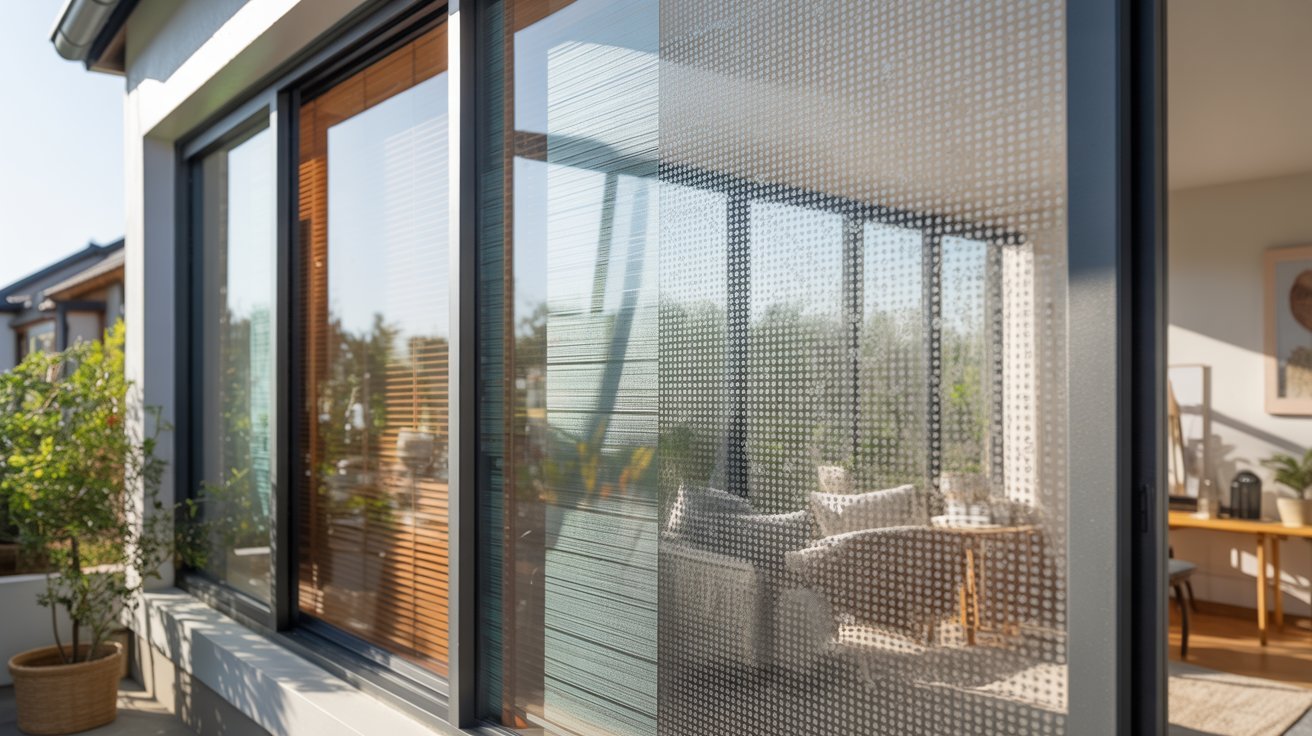
Solar films block heat using reflective or absorptive materials. They work well but can have a mirrored look.
Spectrally selective films use advanced technology to block infrared light while allowing visible light through. They maintain clear views and cost 30% to 50% more.
Both reduce cooling costs. Selective films look better from outside but cost more upfront.
Privacy and Night Vision Films
Privacy films block views during daytime. People inside can see out clearly.
The downside? At night with interior lights on, people outside can see in. True 24-hour privacy requires thicker films that reduce natural light.
One-way mirror films cost $10 to $15 per square foot. Dual-sided privacy films run $12 to $18 per square foot.
Energy Efficiency and Long-Term Savings
Quality window film reduces cooling costs by 30% to 50%. Your AC works less hard during summer.
UV protection prevents furniture fading. This saves replacement costs over time.
Most homeowners recoup their investment in 5 to 10 years through energy savings. Premium films pay for themselves faster in hot climates.
Warranty, Lifespan, and Maintenance Costs
Residential vs. Commercial Warranty Terms
Residential warranties often cover the film for life. Many manufacturers offer lifetime guarantees for homes.
Commercial warranties last 5 to 15 years. High-traffic buildings wear films faster.
Read the fine print. Some warranties only cover manufacturing defects, not installation issues.
Expected Lifespan by Film Quality
Budget films last 5 to 10 years before showing wear. Fading and bubbling happen sooner.
Mid-range films hold up 10 to 15 years with proper care. These balance cost and durability well.
Premium films last 15 to 25 years or more. Ceramic films resist fading and maintain clarity longest.
Higher upfront costs mean fewer replacements over time. Consider total lifetime costs when choosing.
Maintenance and Care Tips
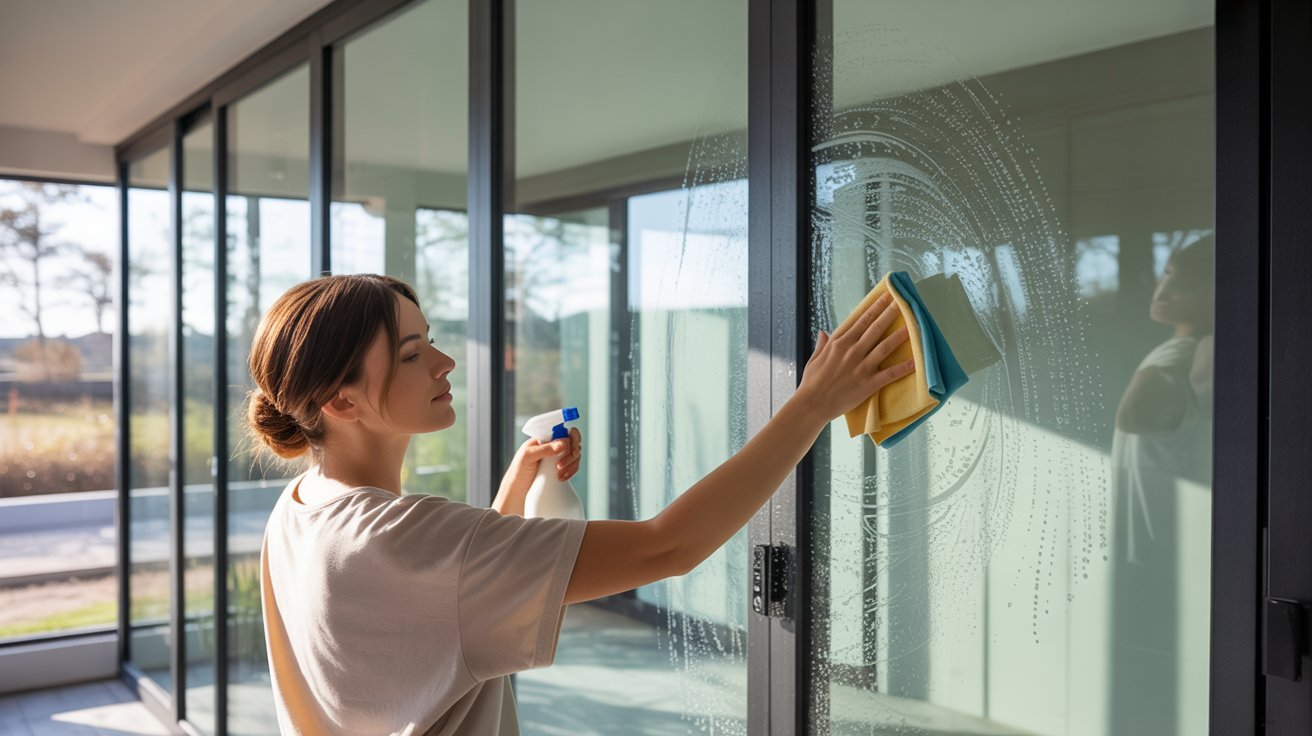
Clean tinted windows with mild soap and soft cloth. Avoid ammonia-based cleaners that damage film.
Wait 30 days after installation before cleaning. This lets the adhesive cure fully.
Inspect annually for bubbles or peeling edges. Catching problems early prevents bigger repairs.
Proper care extends film life by years. Minimal maintenance keeps windows looking great.
DIY vs. Professional Window Tinting
Cost Comparison
|
Installation Type |
Cost Per Square Foot |
Typical Room Cost |
What’s Included |
Cost Savings |
|
DIY Kits |
$1 to $3 |
$50 to $150 |
Materials only |
60% to 75% savings |
|
Professional |
$8 to $20 |
$400 to $1,000 |
Materials, labor, warranty |
Full service with guarantees |
Pros and Cons of Each Approach
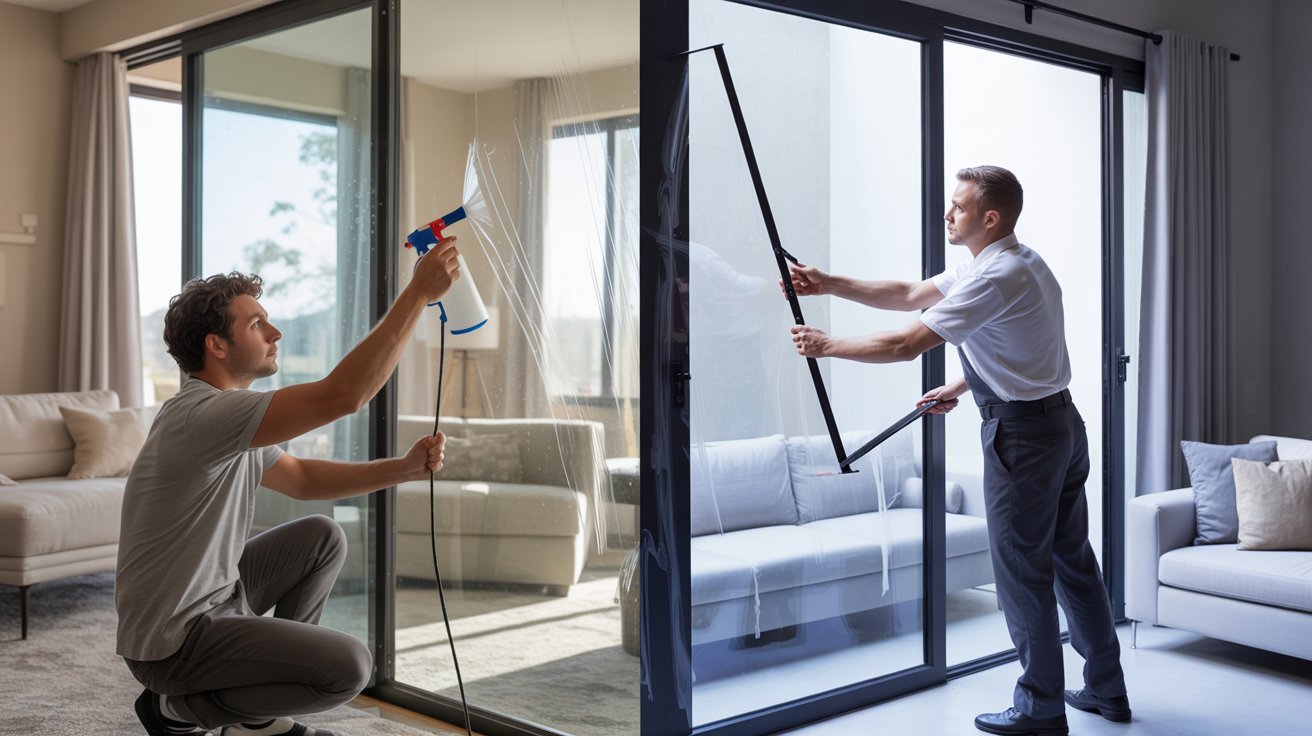
DIY advantages: Lower cost, work at your own pace, sense of accomplishment.
DIY disadvantages: No warranty, risk of bubbles and creases, time-consuming learning curve, potential waste from mistakes.
Professional advantages: Expert results, warranty coverage, faster completion, proper tools and experience.
Professional disadvantages: Higher upfront cost, scheduling required, less control over timing.
First-timers often struggle with air bubbles and alignment. Professionals finish in hours what takes DIYers days.
Benefits of Tinting Home Windows
Reduce Glare and UV Damage
Film blocks up to 99% of harmful UV rays. Your furniture, flooring, and artwork stay vibrant longer.
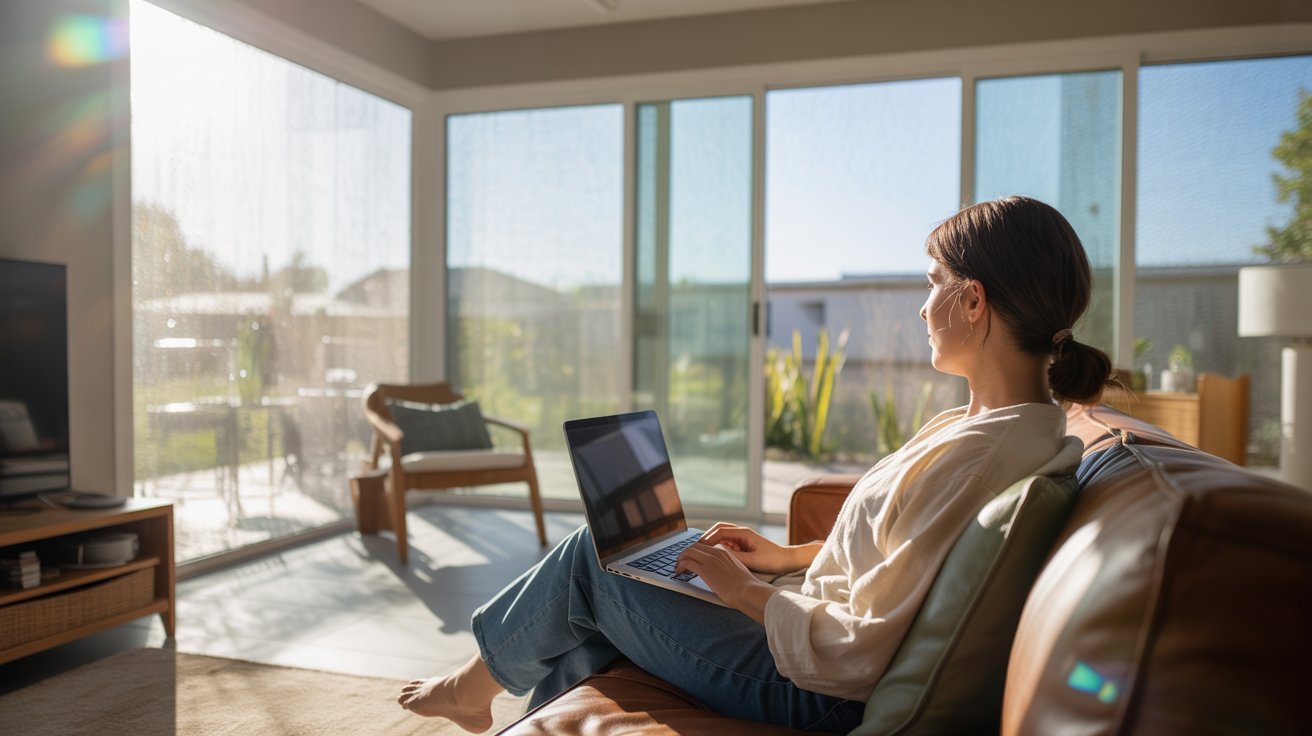
Screen glare disappears. Working from home becomes more comfortable. TV viewing gets better during bright days.
Improve Privacy and Comfort
Privacy films let you open curtains without exposing your home. Natural light flows in while blocking outside views.
Rooms feel more comfortable year-round. Hot spots near windows disappear. Temperature stays consistent throughout your home.
Save on Energy Bills
Window film cuts cooling costs by 30% to 50% in summer. Your HVAC system runs less frequently.
Some films also reduce heat loss in winter. Dual-season performance maximizes annual savings.
Enhance Home Value and Appearance
Tinted windows look modern and well-maintained. Buyers appreciate energy-efficient upgrades.
Film protects your investment in window treatments and furnishings. Lower utility bills attract cost-conscious buyers.
Conclusion
I get it. I put off tinting my living room for three years, thinking it was going to cost a fortune. Now you know what residential window tinting really is.
But I spent $1200, started saving $35/month on my summer cooling bill and that was my best home upgrade.
Get quotes from three local installers then compare warranties and check online reviews. Or, you can ask your neighbors what they recommend.
Are you ready to save money? You can protect your furniture. Request a FREE estimate this week.
Frequently Asked Questions
How long does professional window tinting take?
Most homes take 4 to 8 hours for complete installation. Larger homes or complex window shapes may require a full day or two separate appointments.
Can window film damage my windows?
Quality film installed correctly will not damage windows. However, applying film to certain glass types like dual-pane or low-E windows requires professional assessment to avoid thermal stress.
Does window tint work in cold climates?
Yes, certain films reduce heat loss in winter while blocking heat in summer. Low-E films reflect heat back inside during cold months, improving year-round efficiency.
How soon can I clean windows after tinting?
Wait 30 days before cleaning newly tinted windows. This allows the adhesive to cure completely and prevents bubbling or peeling from premature moisture exposure.
Will window film affect my cell phone signal?
Modern ceramic films do not interfere with signals. Older metallic films may reduce cell phone, WiFi, and radio reception by 10% to 30% in some cases.